In a dramatic move reminiscent of the Covid-19 pandemic, the Pakistani government has issued an immediate, sweeping austerity package aimed at conserving fuel and curtailing non-essential state expenditure.
Driven by soaring import costs and energy supply shocks stemming from ongoing conflicts in the Middle East and disruptions in the Red Sea, Islamabad is cutting back on everything from official fuel allocations to wedding menus.
According to a formal notification released by the Cabinet Division, the government has imposed an immediate, complete ban on the purchase of all new government vehicles and prohibited the procurement of durable goods—excluding essential IT infrastructure. Development projects, however, will remain exempt from these purchasing freezes.
To directly cut down energy consumption, the government ordered a 50% reduction in fuel allocations for official vehicles across all non-operational administrative bodies over the next three months. Armed forces, law enforcement agencies, and essential front-line services will keep their full allocations, but administrative wings will be forced to tighten their belts.
Covid-Style Curbs on Markets and Celebrations
The economic fallout is rapidly reaching daily civic life. Commercial establishments across the country face strict new operating hours:
- Shops, malls, and bazaars must shut down by 9 PM.
- Wedding halls and festive venues are required to close by 10 PM.
- Restaurants, cafes, and eateries must end dine-in services by 11 PM (though takeaway and delivery services remain exempt).
Adding a unique twist to public policy, the government has mandated a single-dish rule for all marriage functions and celebratory events to curb lavish food consumption. Essential services—including pharmacies, hospitals, EV charging hubs, IT centers, and petrol stations—will remain operational without time restrictions.
Foreign Travel Bans and Spending Cuts
Federal ministers, advisers, and public officials face a three-month complete ban on foreign travel, even for routine obligatory visits. In rare cases where international representation is mandatory, Pakistan’s local ambassadors or high commissioners will attend in their place. If travel is deemed utterly unavoidable, officials will be required to fly economy class.
Furthermore, the government has barred official dinners, in-person government-funded seminars, and external venue rentals, directing departments to conduct meetings via teleconference or within government-owned auditoriums.
A general 5% monthly reduction in non-employee-related expenditure will also be applied across government bodies and foreign missions throughout the financial year.
A Growing Economic Strain
This new wave of restrictions follows earlier measures implemented in March after energy markets were first shaken by escalating regional hostilities. With import bills mounting and foreign currency reserves under severe pressure, Information Minister Attaullah Tarar signaled earlier this week that aggressive measures were inevitable.
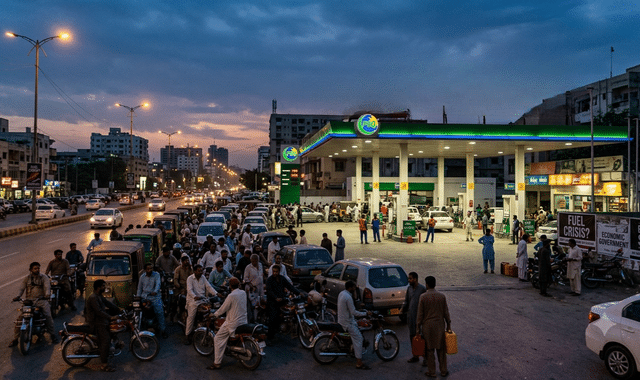
As queues at petrol stations grow across major cities like Karachi and Lahore, the government hopes these curbs will stave off an even more severe balance-of-payments crisis until global energy supply lines stabilize.