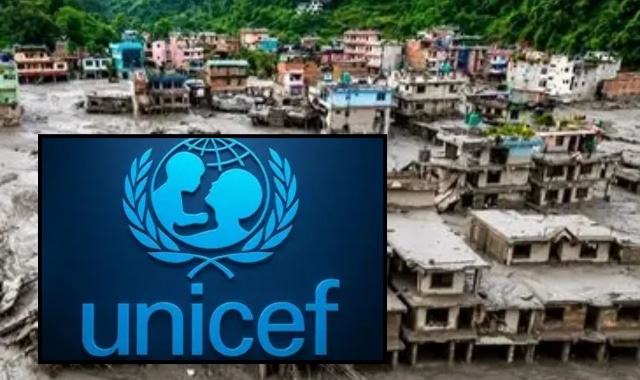
UNICEF has warned that at least 17,000 children affected by the August 26 glacier‑triggered floods in Nepal urgently require mental health and psychosocial support.
The floods devastated communities across Rasuwa, Nuwakot, and Dhading, leaving over 84,000 people affected, including 32,000 children.
The disaster has already claimed more than 1,300 lives, with 5,000 still missing. UNICEF reports that 541 children remain separated from families, facing heightened risks of exploitation and abuse.
Experts caution that without immediate psychological first aid, children may suffer long‑term trauma, anxiety, and grief. UNICEF’s Alice Akunga noted that the floods struck during school hours, shattering children’s sense of safety.
On the ground, UNICEF and partners are providing counselling, child‑friendly spaces, family tracing, and education support, while appealing for $17.2 million to scale up relief. International aid, including French assistance and supplies from UNICEF’s global hubs, is supporting recovery efforts.
Officials warn that without sustained funding, untreated trauma and disrupted schooling could deepen vulnerabilities, leaving children at risk of exploitation and chronic mental health disorders.