In a significant boost for tribal rights in Odisha, the National Commission for Scheduled Tribes (NCST) has officially instituted a case and assured swift action following a high-profile petition filed by BJD Rajya Sabha MP Dr. Sasmit Patra over alleged police atrocities and blatant violations of constitutional safeguards in the remote Sijimali region.
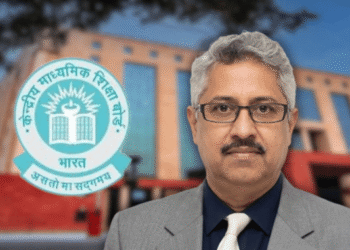
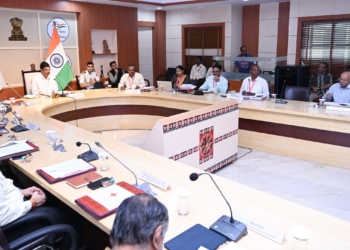
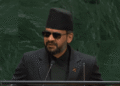
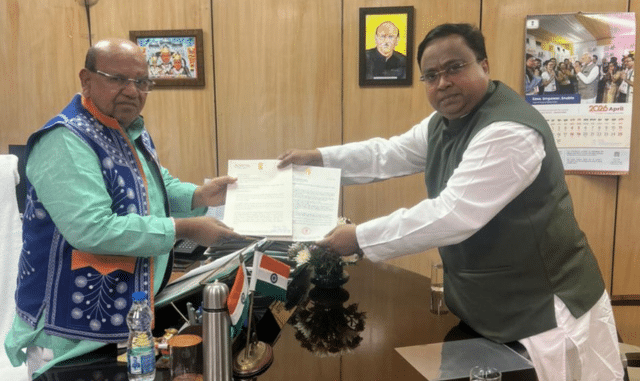
Dr. Patra, who met NCST Chairperson Shri Antar Singh Arya this morning at the Commission’s office in New Delhi, handed over a strongly worded follow-up letter to his original petition dated 12 April 2026. The Commission has not only accepted the petition but has also assured the MP that a formal case has been registered, notices will be issued, and a senior-level fact-finding team is likely to be deputed to Sijimali shortly. The Chairperson has also indicated that he will personally hear the matter, with Dr. Patra to be kept informed as the petitioner.
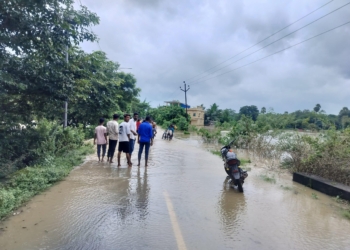
At the heart of the controversy is a proposed bauxite mining project and associated infrastructure, including road construction, in the tribal-dominated Sijimali area of Odisha. Local Scheduled Tribe communities have been protesting what they claim are forcible land acquisition attempts without proper consent. According to the petition, police action has led to injuries among tribal men and women, raising serious concerns of excessive use of force.
In his letter, Dr. Patra highlighted multiple alleged violations:
– **Prima facie non-compliance** with the Forest Rights Act, 2006 — questioning whether individual and community forest rights were properly recognised before project activities began.
– **Bypassing of PESA, 1996** — alleging that free, prior, and informed consent of Gram Sabhas was either not obtained or was manipulated.
– **Possible offences** under the SC/ST (Prevention of Atrocities) Act, 1989, if force was used disproportionately against tribal communities.
– Failure to follow principles of proportionality and due process in policing.
Describing the situation as “urgent and continuing,” the BJD leader urged the NCST to immediately institute an independent enquiry, invoke its powers under Article 338A(8) of the Constitution to summon records and officials, review FRA and PESA compliance, and recommend urgent interim protections for the affected tribal families.
“The reported injuries to tribal persons, including women, point to a potential pattern of excessive use of force that warrants immediate and independent scrutiny,” Dr. Patra wrote, adding that any delay risks “further erosion of trust and potential escalation on the ground.”
The NCST’s prompt response — accepting the petition on the very day of the meeting — signals a rare and decisive intervention by the constitutional body mandated to protect Scheduled Tribes. A senior fact-finding team is expected to visit Sijimali in the coming days to verify ground realities, examine officials, and assess the legality of the mining-related activities.
Political circles in Odisha are closely watching the development, as Sijimali has emerged as a flashpoint between tribal communities asserting their statutory rights and the state’s push for industrial projects. Dr. Patra’s intervention has once again positioned the Biju Janata Dal as a vocal champion of tribal interests in the state.
The NCST is now expected to seek detailed replies from the Odisha government and police authorities. Further updates are awaited as the Commission’s team prepares to head to the sensitive region.