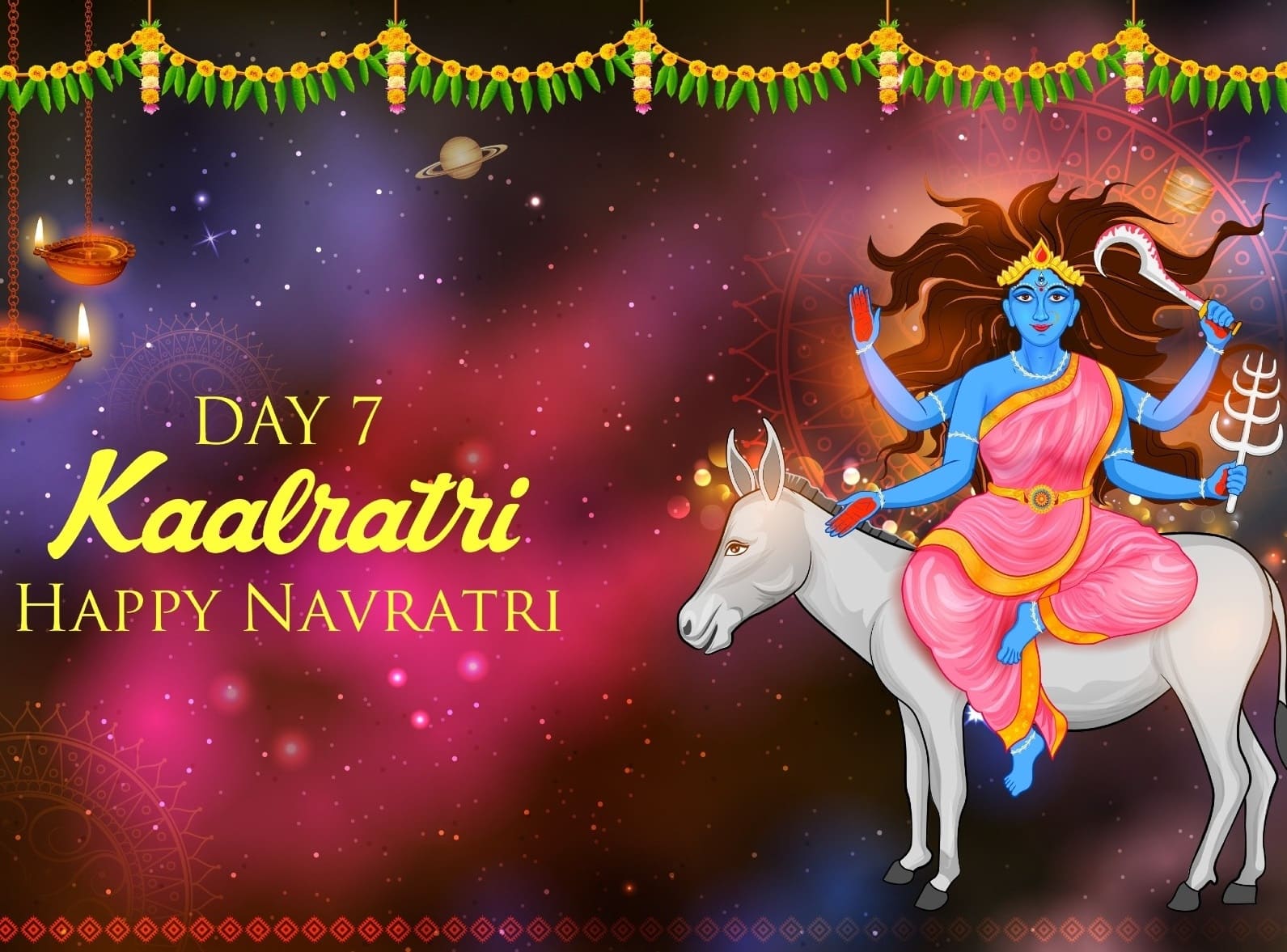
As the nine-day autumn festival of Sharad Navratri continues with vibrant celebrations, Saturday, October 17, 2026, marks the seventh day of the festival, coinciding with Maha Saptami—a major milestone in Durga Puja celebrations, particularly across West Bengal and eastern India.
The seventh day of the sacred festival is devoutly dedicated to Maa Kalaratri, one of the fiercest and most powerful manifestations of Goddess Durga.
Navratri Day 7 Colour: Grey
Following the popular tradition of assigning a specific colour to each day of Navratri, the designated hue for Day 7 is grey.
- Symbolism: Grey represents stability, composure, psychological balance, and quiet resilience in the face of adversity.
- Celebratory Custom: Devotees frequently incorporate grey into their festive attire—ranging from sarees and kurtas to dupattas and accessories—though participation in the colour custom remains entirely voluntary and varies by regional family traditions.
Significance of Maa Kalaratri
Maa Kalaratri is revered as the destroyer of darkness, ignorance, and negative forces. Known for her formidable appearance and fierce energy, she represents the absolute power to confront hardship and triumph over obstacles.
Despite her fearsome persona, devotees worship her as a benevolent and protective mother who grants courage and removes fear (Shubhankari). Rituals on Maha Saptami typically involve special morning aartis, recitation of sacred mantras, and offerings aimed at seeking the Goddess’s divine protection.
Maha Saptami and the Nabapatrika Ritual
In Bengal and various traditional pandals nationwide, Maha Saptami marks the formal beginning of core Durga Puja rituals following the Bodhan on Sasthi.
A central ritual of the day is the Nabapatrika Snan (the ritual bathing of the nine sacred plants tied together), which symbolizes the collective embodiment of the Goddess’s divine feminine energy prior to the main prana pratistha and pushpanjali ceremonies.