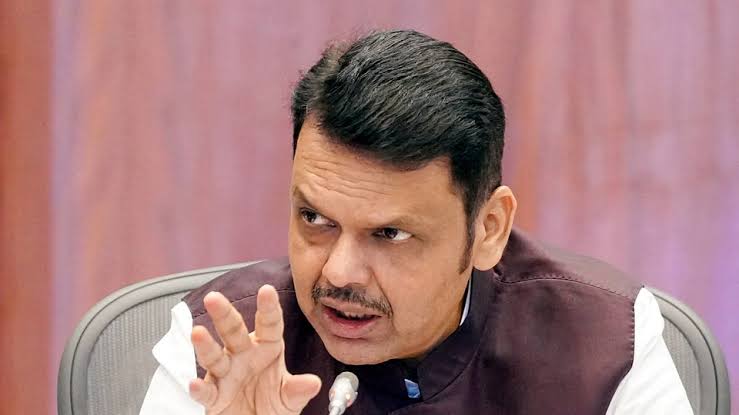
Maharashtra Chief Minister Devendra Fadnavis on Tuesday directed the state Home Department to initiate the withdrawal of cases registered against youths who were booked during student protests supporting the Cockroach Janta Party’s (CJP) demand for the resignation of former Union Education Minister Dharmendra Pradhan.
The Maharashtra government said the cases would be withdrawn after obtaining the necessary approvals from the respective courts. The decision comes amid growing calls for relief to students and protesters who participated in demonstrations over the alleged irregularities in the NEET examination and related issues.
The announcement follows a similar move by the Bihar government, which on Monday said it would withdraw all cases registered against protesters before the evening of July 26 and release those arrested during the statewide crackdown. The Bihar Home Department also assured that no punitive or retaliatory action would be taken against individuals who participated in the protests before the specified deadline.
Reacting to the development, CJP spokesperson Saurav Das welcomed the decision and described it as a significant relief for students and protesters. In a post on X, Das said the move came shortly after the organisation warned of fresh protests if assurances given by the authorities were not implemented.
The latest development also comes in the wake of the Supreme Court’s interim directions on the student protest cases. A Bench led by Chief Justice of India Surya Kant, along with Justices Joymalya Bagchi and V. Mohana, directed authorities to immediately release student protesters who are below 18 years of age and have no criminal records.
The apex court observed that allegations of police excesses during the protests warranted a fair, impartial and independent investigation. It directed all states where demonstrations took place to preserve CCTV footage, drone recordings, body-camera videos, wireless communication records, PCR logs and other electronic evidence related to the protests.
The court further ordered that any digital data collected from protesters must be preserved but should not be made public. It also restrained authorities from taking coercive action against eligible student protesters while allowing investigations into registered FIRs to continue in accordance with the law.
Additionally, the Supreme Court sought responses from the chief secretaries of Delhi, Maharashtra, Bihar, Kerala, Madhya Pradesh and Uttar Pradesh regarding the allegations raised in the petitions related to the handling of the protests.
The Maharashtra government’s decision is expected to provide relief to many students and young protesters who were facing legal proceedings following demonstrations held across the state.