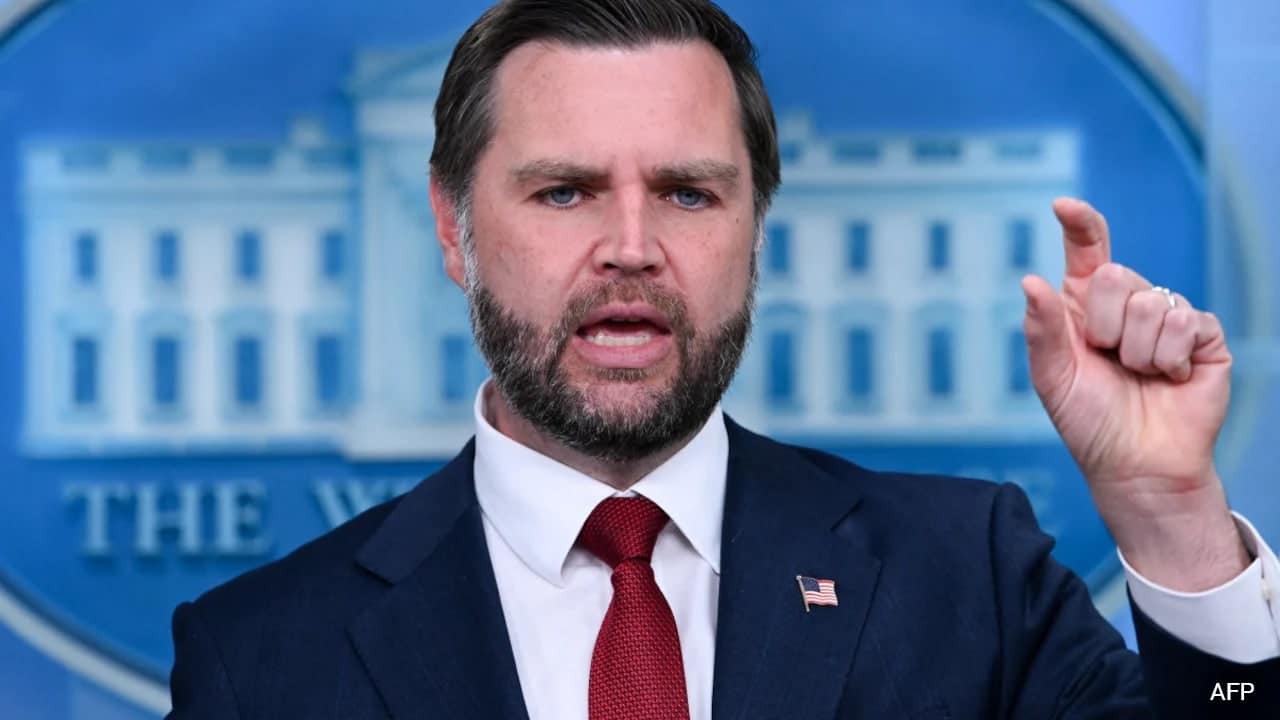
In a bid to soften his stance following intense diplomatic pushback from India, US Vice President JD Vance clarified his recent comments describing H-1B visa holders as “foreign indentured servants.”
Speaking on Sunday, Vance admitted that his “rhetoric may have been imperfect” while invoking his South Indian wife, Second Lady Usha Vance, and his immigrant in-laws to emphasize his respect for the Indian community.
However, Vance reiterated the Trump administration’s resolve to reform the immigration framework, calling for a balance that protects local workers from corporate displacement.
The Controversy: PERM Suspensions for Tech Giants
The row stems from a major policy directive issued earlier this month, where the Trump administration suspended several multinational corporations—including top Indian IT services firms—from participating in the Permanent Labor Certification Program (PERM). PERM serves as the initial, crucial step for H-1B visa holders seeking permanent residency (Green Cards) in the United States.
Key IT and technology giants affected by the green card filing suspension include:
- Tata Consultancy Services (TCS)
- Infosys
- Wipro
- HCL Tech
- Cognizant
- Microsoft
- Capgemini
Vance defended the administration’s crackdown, asserting that major corporations should not use foreign labor pools to replace qualified American personnel. “If you’re a trillion-dollar company and you bring in an accountant saying you cannot hire from your existing labor pool, and in doing so fire an accountant already on the payroll, that’s not fairness,” he stated.
India’s Sharp Rebuttal
The US Vice President’s earlier characterization of skilled foreign professionals sparked a strong reaction from New Delhi. India’s Ministry of External Affairs (MEA) denounced the “indentured servants” comparison as unwarranted and deeply offensive, highlighting the immense contribution of highly skilled Indian talent to the US economy and technological ecosystem.
While acknowledging the deep personal ties his family shares with India, Vance maintained that the US government must prioritize American labor interests while maintaining a balanced, respectful immigration system.