India’s planned acquisition of the US-made Javelin anti-tank missile system has given a fresh push to the country’s defence partnership with the United States. However, the deal has also brought an old issue back into focus: technology transfer.
US Ambassador to India Sergio Gor has highlighted the growing defence relationship between the two countries while announcing India’s plans to acquire Javelin systems. His remarks also hinted at the possibility of co-production, raising hopes that the latest deal could eventually lead to deeper industrial cooperation.
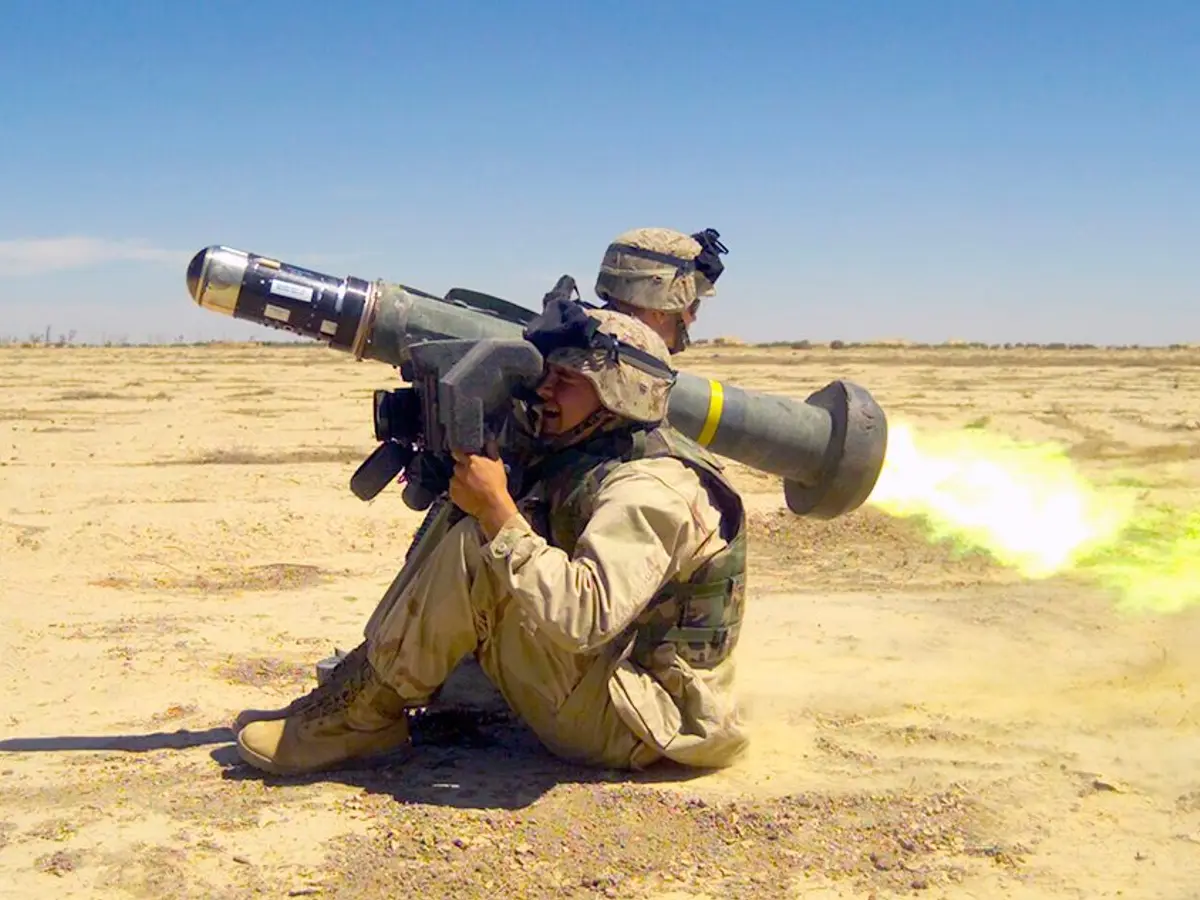
The procurement was initiated after Operation Sindoor under India’s emergency procurement process. The plan covers 16 Block 1 Javelin launch units and 64 FGM-148F anti-tank guided missiles, with the deal valued at around ₹292 crore.
Procurement faced delays
Although India moved quickly to procure the systems, the acquisition faced delays through the US Foreign Military Sales route.
The contract reportedly had to be extended after approval from the US Congress was delayed. The purchase was eventually cleared this month, paving the way for the announcement by Ambassador Gor.
The episode has highlighted the bureaucratic hurdles that can affect defence acquisitions even when both countries have strategic interests in strengthening military cooperation.
Javelin technology transfer remains a sticking point
The Javelin system has been on India’s defence radar for more than a decade. The US had offered technology transfer for the system as part of the Next Steps in Strategic Partnership framework in 2010.
However, efforts towards co-production did not progress as India sought extensive technology transfer. A major sticking point was the seeker technology used in the missile system.
The latest indication of possible co-production therefore assumes significance. For India, simply purchasing advanced weapons is only one part of the larger defence modernisation strategy. Access to critical technology and the ability to manufacture systems domestically are increasingly important priorities.
Indigenous alternatives faced challenges
India’s efforts to develop an indigenous anti-tank guided missile have also influenced the procurement debate.
The Defence Research and Development Organisation had earlier indicated that its NAG anti-tank guided missile could meet the military’s requirements, reducing the need for foreign systems. However, delays in developing an extended-range capability meant India subsequently turned to foreign options.
India eventually procured Israeli Spike anti-tank missile systems under an emergency procurement process following the military confrontation with China in eastern Ladakh in 2020.
The experience has underscored the importance of balancing indigenous development with timely access to proven foreign technologies.
Co-production could deepen strategic partnership
The latest Javelin deal could provide an opportunity to move the India-US defence relationship beyond a buyer-seller model.
Co-production in India, particularly with meaningful technology transfer, could support the country’s Atmanirbhar Bharat defence manufacturing ambitions while strengthening supply-chain cooperation between the two countries.
For India, access to critical technologies would be especially significant. For the US, deeper manufacturing cooperation with India could strengthen a strategic partnership that has expanded considerably in recent years.
The Javelin acquisition may therefore be relatively modest in financial terms, but its broader significance could lie in what follows: whether India and the US can translate defence purchases into genuine technology-sharing and joint production.
If the two sides can resolve long-standing concerns over technology transfer, the Javelin programme could become another important milestone in the evolution of India-US defence cooperation.