Iranian Supreme Leader Ayatollah Seyyed Mojtaba Khamenei’s senior military adviser, Yahya Rahim Safavi, has warned that the ongoing conflict could expand to the Indian Ocean if the United States launches another attack.
In remarks carried by Iranian state media, Safavi said the conflict had already spread from the Persian Gulf and Strait of Hormuz to the Red Sea and could move farther if hostilities intensify.
“Since the conflict has spread from the Persian Gulf and Strait of Hormuz to the Red Sea, it is possible that, in response to more war, the front will expand even further, reaching the Indian Ocean and perhaps beyond,” Safavi said, according to the report.
Safavi has also said Iran’s military can monitor US naval vessels in the Persian Gulf and Indian Ocean, while warning that any further US aggression would trigger a response.
The remarks come amid continued tensions between Tehran and Washington, particularly around the Persian Gulf, Gulf of Oman and major maritime trade routes.
Strait of Hormuz, Red Sea under pressure
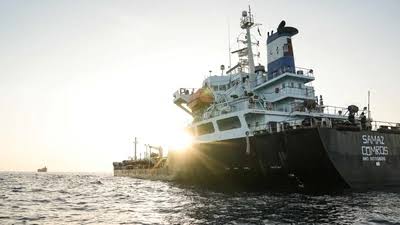
The warning comes as commercial shipping through two strategically important waterways remains sharply below pre-war levels.
Reuters reported that only 17 commodity vessels crossed the Strait of Hormuz over the weekend, down from 37 the previous week and far below the pre-war average of about 125 large commercial vessels a day. Traffic through the Bab el-Mandeb Strait also fell, with 51 vessels crossing over the weekend compared with 57 the previous weekend.
The Strait of Hormuz connects the Persian Gulf with the Gulf of Oman and is a major route for global energy shipments. Bab el-Mandeb links the Red Sea with the Gulf of Aden and the wider Indian Ocean.
Despite the sharp decline in visible shipping traffic, some Middle Eastern oil producers have continued exports using tankers with their transponders switched off, Reuters reported.
Why the Indian Ocean matters
Any further expansion of the conflict towards the Indian Ocean could raise concerns over maritime security, commercial shipping and energy supplies across a much wider region.
The Indian Ocean is a major trade route linking Asia, the Middle East and Africa. For India, prolonged disruption could affect shipping and insurance costs, energy supplies and wider trade flows.
However, Safavi’s comments are a warning from an Iranian official and do not by themselves establish that military operations will extend into the Indian Ocean.
What it could mean for India
India is particularly exposed to disruptions in West Asian energy and shipping routes because it imports more than 88% of its crude oil requirements.
The country’s crude import costs have already risen amid the conflict. The Indian crude basket averaged $109.76 a barrel in September through September 14, compared with $90.19 in August and $82.04 in July, according to data cited by The New Indian Express.
A further escalation affecting maritime routes beyond the Gulf could add pressure on freight and insurance costs while increasing risks for energy supplies to Asian markets.
For now, Safavi’s remarks signal Tehran’s warning of a potentially broader geographic scope for the conflict rather than confirmation that fighting will spread into the Indian Ocean.