Iran intensified its military offensive by targeting key liquefied natural gas (LNG) infrastructure across the Gulf, including facilities in Qatar and the United Arab Emirates.
The escalation followed a strong warning from Mojtaba Khamenei, who vowed retaliation after the killing of senior Iranian official Ali Larijani.
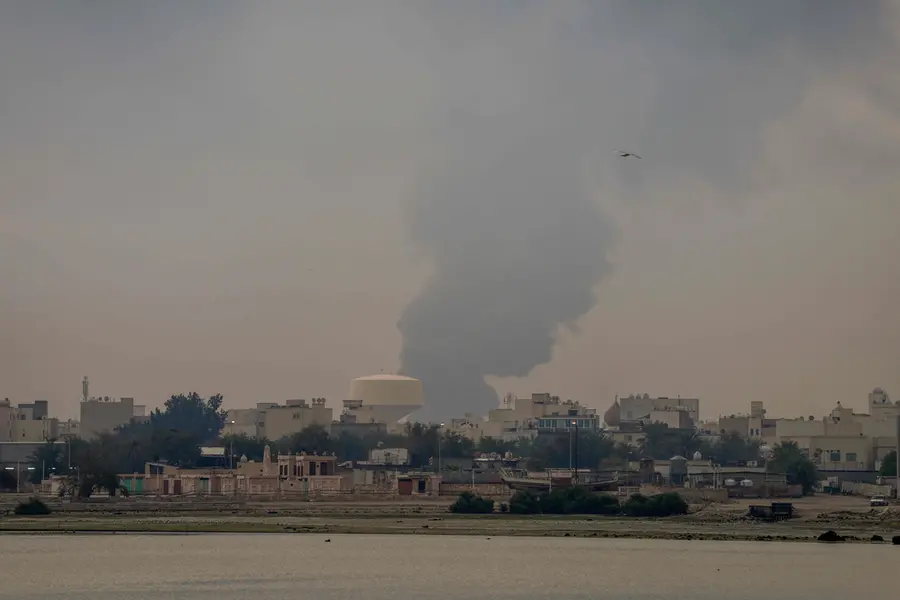
Missile strikes triggered fires at Qatar’s Ras Laffan LNG complex—one of the world’s largest energy hubs—causing extensive damage. While emergency teams managed to contain the fires without casualties, disruptions are expected to delay the resumption of gas exports.
UAE and Regional Fallout
In the UAE, authorities suspended operations at major energy facilities after intercepting incoming missiles. Officials described the attacks as a dangerous escalation in an already volatile regional conflict.
Other Gulf nations, including Saudi Arabia, reported intercepting drones targeting gas infrastructure, further underlining the widening scope of the crisis.
Energy War Intensifies After South Pars Strike
The latest wave of attacks comes after Israel targeted Iran’s South Pars gas field—the world’s largest natural gas reserve shared with Qatar. The strike has significantly impacted Iran’s energy sector, which depends heavily on gas for domestic power generation.
Iran’s leadership warned of far-reaching consequences, with officials cautioning that the conflict could expand beyond regional boundaries and disrupt global stability.
Strait of Hormuz Under Threat
The conflict has also spilled into key maritime routes, particularly near the Strait of Hormuz—a critical channel through which nearly one-fifth of the world’s oil supply passes.
Reports indicate multiple vessels have been damaged or set ablaze near Gulf waters, raising concerns about the safety of international shipping and global energy flows.
Global Markets React as Oil Prices Surge
The escalation has sent shockwaves through global markets, with oil prices surging sharply amid fears of prolonged supply disruptions. Brent crude crossed $110 per barrel, reflecting heightened uncertainty in energy markets.
In response, Donald Trump warned Iran against further attacks on Gulf infrastructure, stating that the United States could take severe action if strikes continue.
Rising Human and Strategic Costs
The ongoing conflict has resulted in significant casualties and displacement across the region. Reports indicate over 1,300 deaths in Iran, widespread displacement in Lebanon, and casualties in Israel and among US forces.
Conclusion: A Conflict Reshaping Global Energy Security
Iran’s strikes on Gulf LNG facilities mark a critical turning point, shifting the conflict toward energy infrastructure and global supply chains. With tensions escalating and key transit routes under threat, the crisis is poised to have lasting geopolitical and economic consequences.