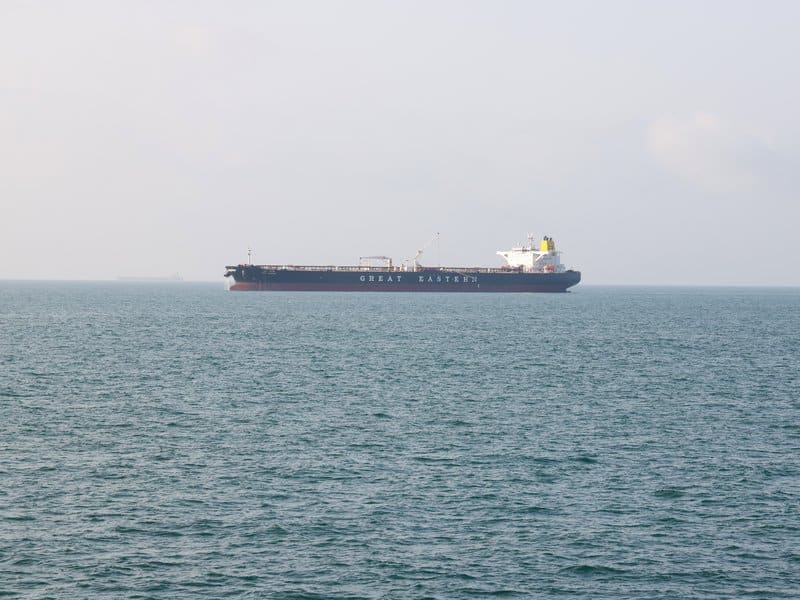
India on Thursday strongly condemned the missile attack on an Indian-flagged commercial ship near the coast of Oman, calling the incident “unacceptable” amid rising tensions in the Middle East. The Ministry of External Affairs (MEA) confirmed that all Indian crew members onboard the vessel are safe after being rescued by Omani authorities.
The attack has once again raised global concerns over the safety of commercial shipping routes in the Gulf region, especially as conflict-linked disruptions continue to impact maritime trade and energy supply chains.
In an official statement, MEA spokesperson Randhir Jaiswal said India “deplores” the repeated targeting of civilian vessels and innocent mariners operating in international waters.
“The attack on an Indian-flagged ship off the coast of Oman yesterday is unacceptable and we deplore the fact that commercial shipping and civilian mariners continue to be targeted,” the statement said.
The government also stressed the importance of protecting freedom of navigation and ensuring the safety of global trade routes. India reiterated that attacks on commercial shipping and civilian crew members must stop immediately.
The incident comes at a time when tensions in West Asia remain extremely high due to the ongoing Iran conflict and military escalations in the region. Several commercial vessels operating near the Strait of Hormuz and Gulf waters have faced threats in recent months, triggering fears of disruption in global oil and cargo movement.
According to officials, the Indian crew onboard the attacked vessel was safely rescued with the assistance of authorities in Oman. India thanked the Omani government for its swift response and support during the emergency.
Security experts believe the latest strike highlights the growing risks faced by merchant ships operating near critical maritime corridors. The region handles a significant portion of the world’s crude oil shipments, making any escalation a matter of global concern.
India, which depends heavily on maritime trade and energy imports through the Gulf region, has consistently called for restraint and diplomatic solutions to ensure regional stability.
The attack has also renewed concerns among international shipping companies over insurance costs, crew safety, and operational risks in the Middle East. Global markets are closely monitoring the situation as fears of further attacks continue to rise.
With tensions showing no signs of easing, governments across the world are expected to strengthen maritime security coordination to protect civilian vessels and vital trade routes in the region.