The Department of Science and Technology (DST) has stepped up its governance and cleanliness initiatives, holding a comprehensive high-level review meeting on the progress of Special Campaign 6.
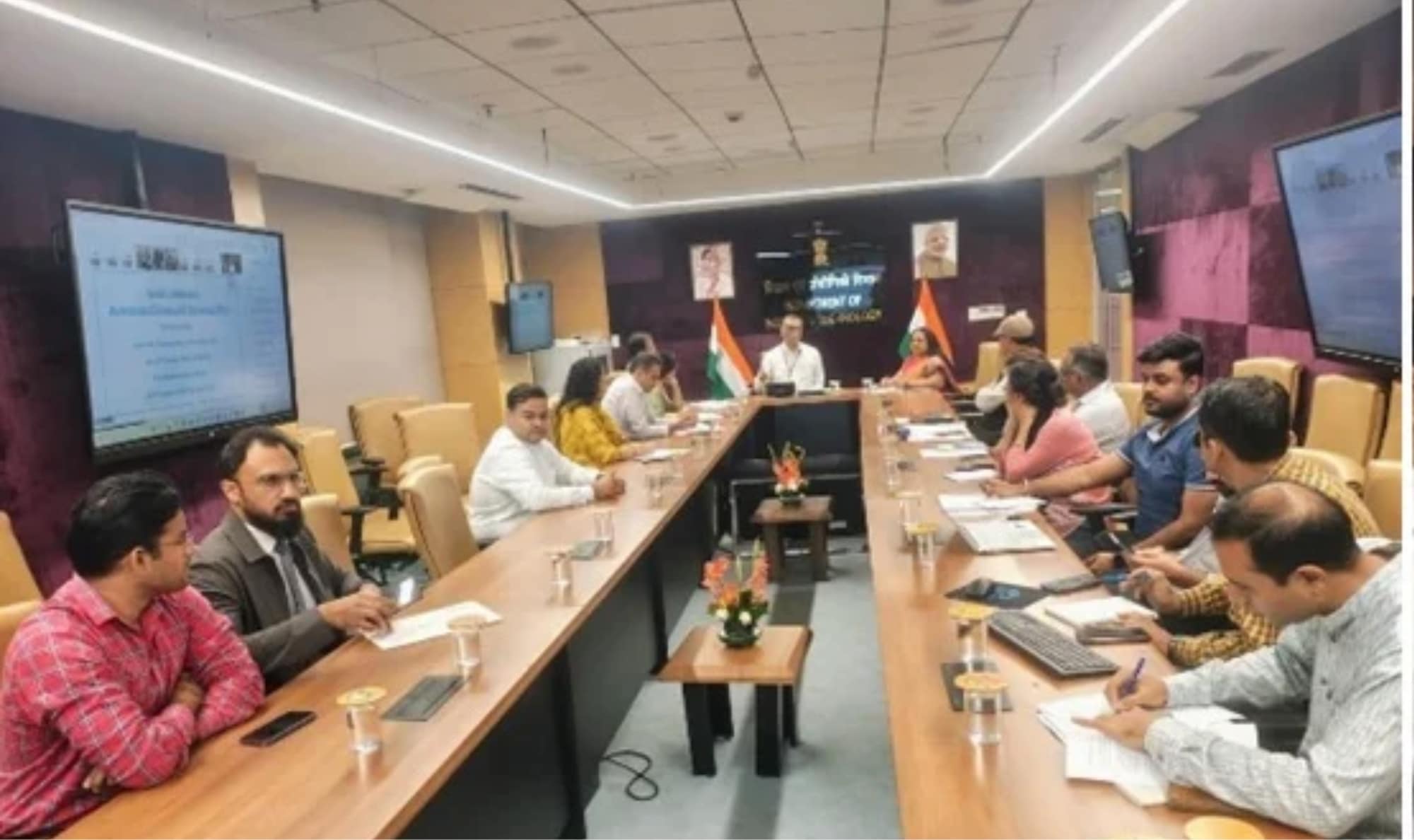
Chaired by DST Secretary Prof. Umesh V. Waghmare, the session brought together heads of autonomous institutions and subordinate organisations to evaluate current milestones and outline aggressive targets for the remainder of the campaign.
The meeting commenced with a detailed overview presented by the Joint Secretary (Administration) and Nodal Officer for Special Campaign 6. Highlighting achievements recorded up to October 21, 2026, the presentation showcased robust outcomes across multiple parameters, including nationwide cleanliness drives, systematic scrap disposal, efficient record management, and active digital public outreach.
Key Achievements at a Glance
DST and its constituent organisations have delivered impressive results under the campaign so far:
-
Cleanliness Drives: 473 targeted cleanliness campaigns successfully conducted.
-
Space Optimisation: 0.78 lakh square feet of office space freed up across headquarters and field offices.
-
Revenue Generation: Rs 11.30 lakh raised through systematic scrap disposal.
-
Record Management: 7,138 physical files reviewed (with 2,926 files weeded out) alongside 1,960 e-files reviewed and 1,013 closed.
-
Digital Outreach: 3 Press Information Bureau (PIB) statements issued and 77 official social media posts published.
Directives for the Remainder of the Campaign
Applauding the collective efforts of all divisions, Secretary Prof. Umesh V. Waghmare emphasised that momentum must not slow down. He issued clear directives to ensure maximum impact:
-
Expanded Cleanliness Drives: Identify and target additional locations for comprehensive cleaning operations.
-
Productive Space Utilisation: Ensure that spaces freed up through scrap disposal are repurposed into aesthetically pleasing, productive work environments.
-
Prompt Financial Reporting: Mandate immediate reporting of all revenues generated via scrap disposal.
-
Field Office Compliance: Ensure strict, uniform execution of campaign guidelines across all subordinate autonomous institutions and field networks.
Amplifying Public Engagement and Transparency
Placing a strong emphasis on citizen-centric governance and public awareness, the Secretary instructed all participating organisations to document and disseminate their daily campaign milestones. Officials were directed to leverage official social media handles and the Press Information Bureau, consistently utilising the official hashtag #SpecialCampaign6 alongside proper institutional branding. Furthermore, organisations have been encouraged to share success stories, best practices, and beneficiary testimonials via short videos, infographics, and photographs to inspire wider societal participation.
Concluding the review, Prof. Waghmare expressed strong confidence that continued dedication and proactive teamwork will help the Department fully realise the vision of Special Campaign 6—reinforcing transparency, cutting bureaucratic red tape, optimising workspaces, and fostering a culture of sustained cleanliness and excellence.