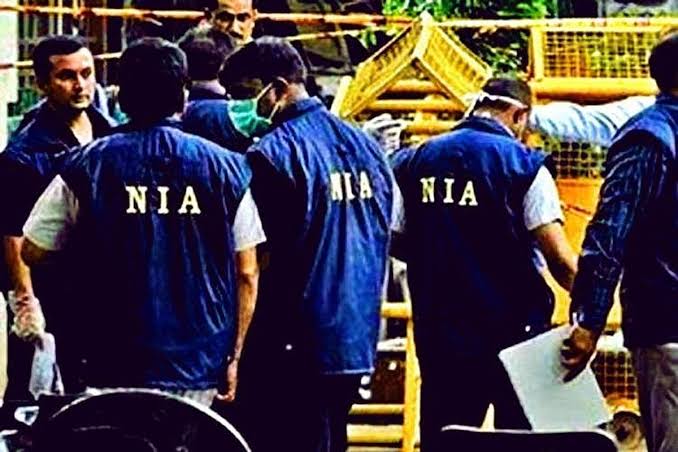
A turf dispute between two central investigative agencies has emerged in the probe into the 2022 Coimbatore blast after the National Investigation Agency (NIA) sought access to the Enforcement Directorate’s (ED) interrogation of key accused in the case.
The NIA’s request to join the ED’s questioning was rejected by a special court on September 10.
The October 23, 2022 vehicle-borne explosion outside the Arulmigu Kottai Sangameshwarar Thirukovil temple in Coimbatore killed suicide bomber Jameesha Mubeen. The NIA has been investigating the blast and has arrested more than a dozen people in connection with the case.
ED Probes Alleged Terror Funding
The ED registered a money laundering case in June after receiving information about alleged financial activities linked to the module involved in the blast.
The agency subsequently approached a Chennai special court seeking permission to interrogate four accused — Umar Faaruq, Sheikh Hidayatullah, Aboo Hanifa and Pavas Rahman.
Faaruq and Hidayatullah are lodged in Tiruchirappalli Central Prison, while Hanifa and Rahman are lodged in Puzhal Central Prison.
According to the ED’s submissions before the court, Hidayatullah and Faaruq allegedly orchestrated a fake Covid-19 vaccination certificate scam during 2021-22 to generate proceeds of crime that were allegedly used for terror activities.
The agency alleged that Rahman and another accused, Sharan Mariappan, facilitated the activity, while Hanifa allegedly routed the proceeds.
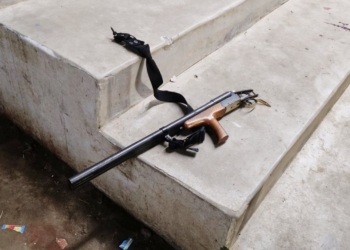
The ED further alleged that the funds were used to procure explosive materials and other resources for the Coimbatore blast.
The agency told the court that questioning the accused was necessary to establish the alleged money trail and understand the complete modus operandi. It sought four days of interrogation for Hidayatullah and Faaruq and six days for Hanifa and Rahman.
NIA Seeks Access To ED Questioning
The NIA, which is investigating the underlying case, opposed the ED’s request only to the extent of seeking access to the interrogation.
In its submission, the agency described the ED as a “third party” and said it had no objection to the ED questioning and recording the accused persons’ statements, provided its chief investigating officer and team were allowed to remain present during the interrogation.
The NIA argued that access would allow it to examine whether any fresh information emerged that could assist its further investigation.
The agency also maintained that its presence would not interfere with the ED’s investigation.
However, the court, while allowing the ED’s plea to interrogate the accused, declined to permit the NIA to participate in the questioning.
Officials Cite Separate Investigations
A senior government official, speaking on condition of anonymity, said criminal procedure does not expressly provide for two independent investigative agencies to jointly interrogate an accused, particularly when the agencies are dealing with separate FIRs.
According to the official, joint interrogation could take place through a court order or through an officially constituted joint team or special investigation team, but no such arrangement has been put in place in the Coimbatore blast investigation so far.
A second official said the NIA could subsequently seek details of the ED’s interrogation through established channels.
The court’s September 10 order has therefore kept the two investigations separate during the ED’s questioning of the accused.