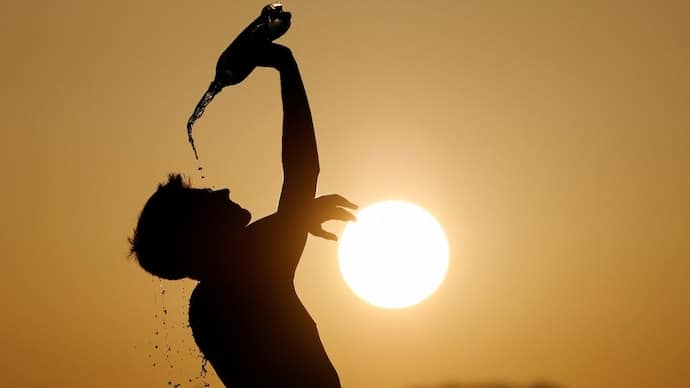
Amid growing concerns over rising temperatures across India, the Centre has urged citizens to remain calm and focus on precautionary measures rather than panic.
Union Minister Jitendra Singh stated that while some regions may experience above-normal temperatures in May, the overall situation remains manageable with awareness and timely action. He emphasised that weather advisories are based on scientific data from the India Meteorological Department, and misinterpretation of forecasts often leads to unnecessary alarm.
Heatwave Impact to Vary Across Regions
According to the IMD’s outlook, heatwave conditions will not be uniform nationwide. Parts of southern peninsular India, the northeast, and northwest regions are expected to see above-normal temperatures. However, several areas may experience normal or even below-normal temperatures due to intermittent rainfall and thunderstorms.
Regions likely to face heatwave conditions include the Himalayan foothills, parts of the east coast such as Odisha, coastal Andhra Pradesh, Tamil Nadu, and states like Gujarat and Maharashtra. These areas could experience two to four additional heatwave days during May.
Peak Heat Periods Identified
The forecast highlights two key phases when heatwave intensity may increase:
- Second week (May 8–14)
- Fourth week (May 22–28)
During these periods, parts of northwest, central, and western India, along with the eastern coastline, may witness heightened heat conditions. In contrast, relatively moderate temperatures are expected during:
- First week (May 1–7)
- Third week (May 15–21)
These phases may benefit from rainfall, cloud cover, and thunderstorm activity.
Urban Areas to Experience Higher Discomfort
Authorities have flagged rising nighttime temperatures, particularly in urban and coastal regions, as a key concern. Increased humidity levels along coastal belts may further contribute to discomfort, even when daytime temperatures are not extreme.
Government Preparedness Measures in Place
The government has directed state and district administrations to ensure essential services remain uninterrupted. Key measures include:
- Adequate supply of drinking water
- Functional cooling arrangements
- Stable electricity supply
Special attention is being given to vulnerable groups, including children, the elderly, and outdoor workers.
Advisory for Farmers and Citizens
Farmers have been advised to adjust their schedules and adopt protective measures to minimise heat stress on crops and livestock. Recommendations include working during cooler hours, maintaining irrigation, and safeguarding animals.
For the general public, authorities recommend:
- Staying hydrated
- Avoiding direct sun exposure during peak hours
- Following official weather updates regularly
The Centre’s message is clear: while heatwave conditions are expected in parts of the country, they are not unprecedented or unmanageable. With improved forecasting systems and proactive measures, citizens can navigate the summer safely by staying informed and prepared.