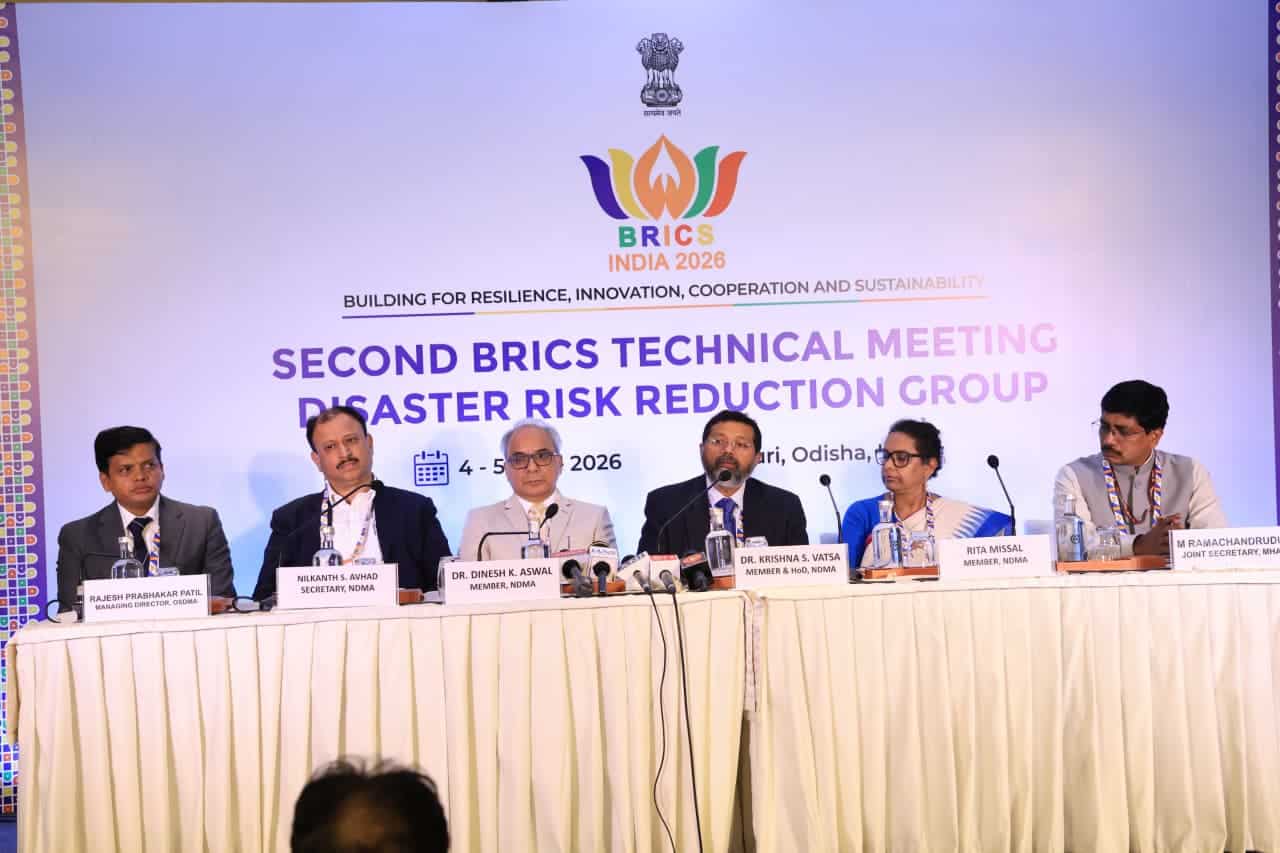
In a significant boost to global cooperation on disaster management, the second BRICS 2026 Meeting of the Disaster Risk Reduction Group (DRRG) commenced today in the seaside town of Puri, Odisha.
Hosted by India’s National Disaster Management Authority (NDMA) under India’s BRICS Chairship, the three-day event brings together senior officials and technical experts from Brazil, China, Egypt, Ethiopia, India, Indonesia, Iran, Russia, Saudi Arabia, South Africa, and the United Arab Emirates.
The meeting, themed “Building for Resilience, Innovation, Cooperation and Sustainability,” aims to forge stronger partnerships in tackling the growing threats posed by natural disasters amid climate change.
Delegates will engage in in-depth discussions on critical areas, including community-based disaster risk reduction, innovative financing mechanisms, multi-hazard early warning systems, resilient infrastructure development, nature-based solutions, and the transformative role of science, technology, and innovation in enhancing disaster resilience.
Odisha’s Proven Expertise in Spotlight
The choice of Odisha as host state is no coincidence. The eastern state has earned global acclaim for its exemplary disaster preparedness, most notably achieving zero casualties during several recent severe cyclones through world-class early warning dissemination, timely evacuation, and robust community response systems.
Rajesh Prabhakar Patil, Special Relief Commissioner and Managing Director of the Odisha State Disaster Management Authority (OSDMA), presented Odisha’s robust early warning system, zero-casualty approach & successful disaster management model at the BRICS Technical Meeting.
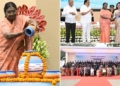
As part of the programme, international delegates will witness live demonstrations by the Odisha State Disaster Response Force (ODRAF) on water rescue operations at Ramchandi beach. They will also interact with trained community volunteers under the Odisha State Disaster Management Authority (OSDMA) and visit the iconic UNESCO World Heritage Site of Konark.
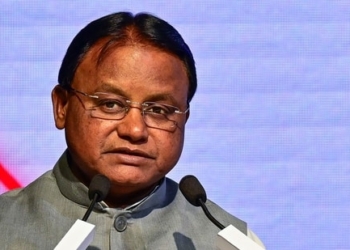
The inaugural session is being attended by Odisha Chief Minister Mohan Charan Majhi, Revenue and Disaster Management Minister Suresh Pujari, NDMA Member & Head of Department Dr Krishna Swaroop Vatsa, along with senior officials from the Ministry of Home Affairs and the Ministry of External Affairs.
Strengthening BRICS Collaboration
This high-level gathering is expected to result in enhanced knowledge sharing, joint initiatives, and actionable frameworks that will help BRICS nations build more resilient societies. By exchanging experiences and best practices, member countries aim to reduce disaster risks and ensure sustainable development even in the face of increasing climatic challenges.
The outcomes of the Puri meeting are likely to feed into broader BRICS discussions later this year, reinforcing the grouping’s commitment to collective action on global challenges.
With disasters becoming more frequent and intense worldwide, initiatives like the BRICS DRRG meeting underscore the power of international solidarity and shared innovation in saving lives and safeguarding futures.