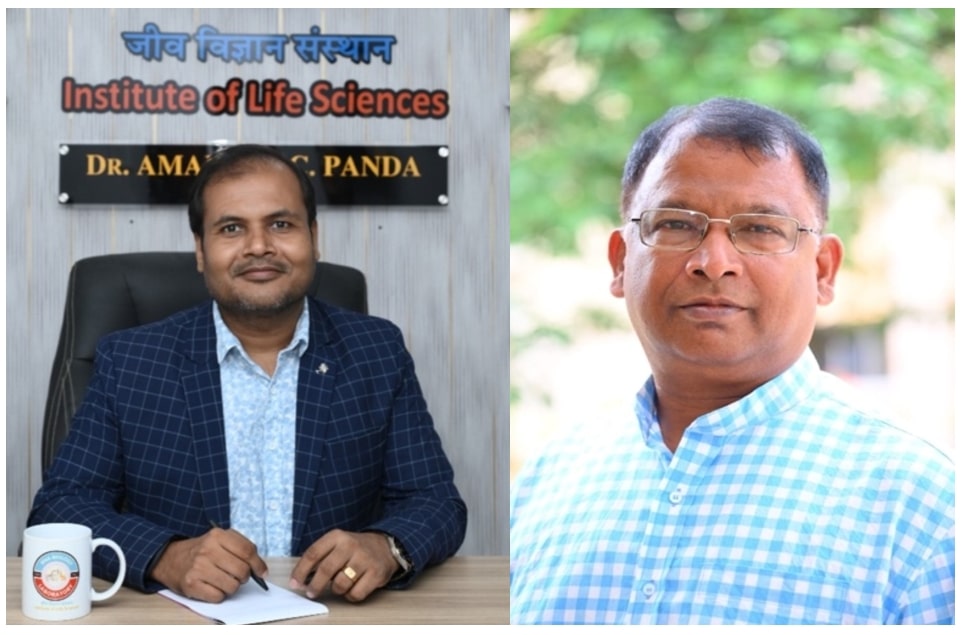
In a significant endorsement of Indian biomedical research, two scientists from the BRIC-Institute of Life Sciences (BRIC-ILS), Bhubaneswar, have once again been named among the world’s top 2% researchers by Stanford University and Elsevier.
Dr. Sanjeeb Kumar Sahoo and Dr. Amaresh Chandra Panda earned their spots on the prestigious global list for the 2026 edition. Notably, both researchers have maintained their position on this international index every single year since 2019, marking eight consecutive years of recognition. This year’s global report includes 6,954 Indian researchers across various disciplines.
Global Standings & Research Profiles
The Stanford-Elsevier database ranks scientists worldwide using a composite c-score built from standardized citation metrics—excluding self-citations—to highlight authentic global impact within specific fields.
| Researcher | Primary Field | Sub-Field | Global Rank | Sub-Field Rank | h-index | hm-index |
|---|---|---|---|---|---|---|
| Dr. Sanjeeb Kumar Sahoo | Clinical Medicine | Pharmacology & Pharmacy | 51,868 | 302 / 166,116 | 17 | 10.09 |
| Dr. Amaresh Chandra Panda | Biomedical Research | Developmental Biology | 41,810 | 908 / 167,121 | 11 | 5.84 |
Note: Figures reflect performance as of the 2025 year-end dataset. Dr. Sahoo also features in the career-long global dataset with a rank of 70,468.
Why Citations Matter Beyond the Laboratory
A research citation represents a “vote of trust” from the international scientific community. When independent researchers cite a study, it signifies that the underlying findings are reliable and critical to advancing further discoveries.
In biomedical fields, the path from fundamental laboratory questions to lifesaving clinical treatments relies on this exact chain of evidence. Sustained citations over an eight-year period show that the work conducted by Dr. Sahoo and Dr. Panda continues to address timely, high-priority scientific challenges—saving valuable effort for peer laboratories and accelerating the journey from basic science to real-world healthcare application.
The institute congratulates both researchers on their milestone, highlighting that the achievement reflects years of sustained effort alongside the collective support of the entire BRIC-ILS community.