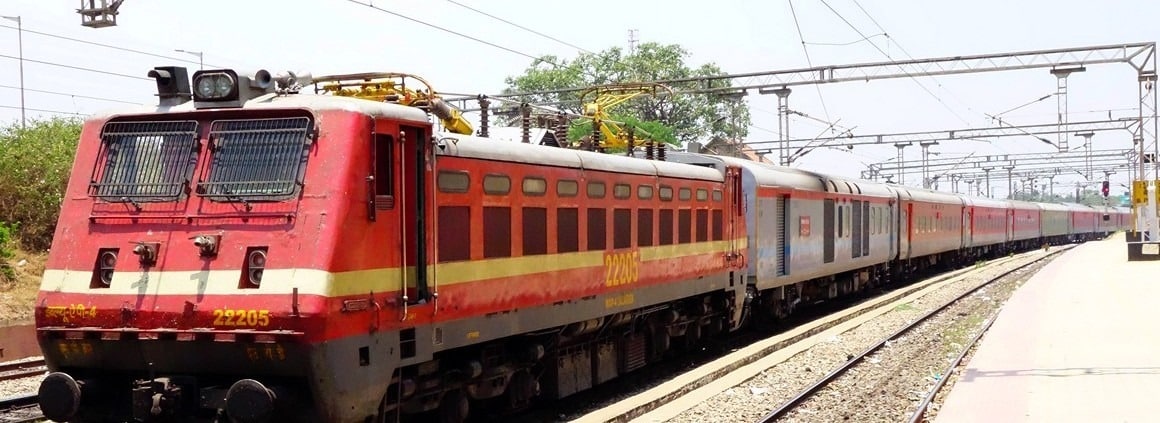
A long-awaited rail dream for Western Odisha has taken a major leap forward with the Ministry of Railways notifying the 102-km Balangir–Lakhna (Nuapada) new broad gauge line—passing through Patnagarh and Harishankar Mandir—as a Special Railway Project.
Issued by East Coast Railway (Construction) under Clause (37A) of the Railway (Amendment) Act, 2008, the move clears key hurdles and sets the stage for rapid execution.
Financial Turnaround Lifts RoR to 14%
Earlier, the project’s estimated Rate of Return (RoR) stood at +9%, keeping it below the sanction threshold. However, decisive backing from the Odisha State Government has transformed its financial viability. The state has committed to providing 100% private land compensation, government land free of cost, and 50% cost sharing from the state budget. With these measures easing the project’s financial burden, its Rate of Return has climbed to +14%, meeting the benchmark required for project sanction.
Faster Land Acquisition Within One Year
Because the line has been notified as a Special Railway Project under the Railway (Amendment) Act, 2008, land acquisition processes are streamlined—bypassing separate Gram Sabha clearances and Social Impact Assessment (SIA) studies. Officials expect land acquisition to be completed within one year, paving the way for swift groundwork across the 102-km stretch.
Game-Changer for West-to-East Connectivity
Once operational, the corridor will carry both goods and coaching (passenger) trains along a strategic West-to-East route linking Chhattisgarh and Odisha: Raipur – Mahasamund – Khariar Road – Nuapada – Lakhna – Harishankar Mandir – Patnagarh – Balangir – Sonepur – Boudh – Daspalla – Nayagarh – Khurda Road – Bhubaneswar.
Compared with the existing route taken by the Durg–Puri Express between Raipur and Bhubaneswar, this new alignment is projected to save around 150 km in distance and cut travel time by nearly 5 hours. Beyond faster regional transit and freight movement, direct connectivity near Harishankar Mandir is also expected to boost pilgrim and eco-tourism footfall in the region.