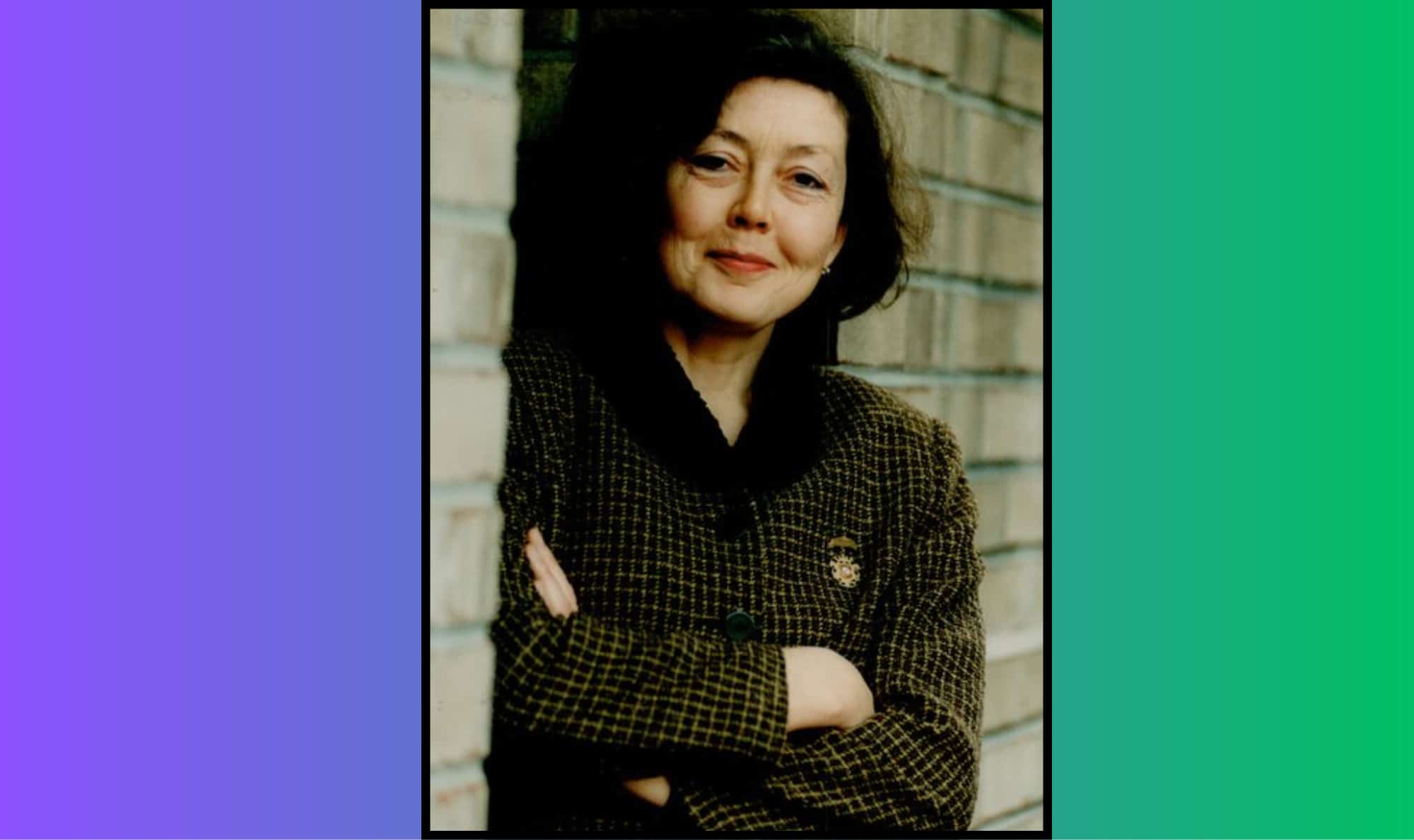
Canadian poet and essayist Anne Carson has been awarded the 2026 Nobel Prize in Literature.
The Swedish Academy honoured the author “for her bold and inventive oeuvre that, in playful dialogue with the classical tradition, has created new forms for contemporary literature.”
Carson receives the prestigious prize, which includes a cash award of 12 million Swedish crowns (approximately $1.2 million).
Known for her genre-defying mix of verse, prose, dialogue, and translation, Carson has carved out a unique space in modern letters. Her writing spans diverse mediums and forms, ranging from opera libretti and literary criticism to celebrated verse novels like her 1998 breakthrough, Autobiography of Red.
Her distinctive style is further exemplified in works such as Norma Jeane Baker of Troy (2019), a daring performance piece that intertwines the ancient myth of Helen of Troy from Euripides’ play Helen with the life of Hollywood icon Marilyn Monroe.
A Legacy Alongside Literary Giants
With this win, Carson joins an illustrious roster of past recipients, including Ernest Hemingway, Alexander Solzhenitsyn, and fellow Canadian literary icon Alice Munro.
The Nobel Prize in Literature regularly sparks lively debates among book lovers and critics alike. Over the years, the Swedish Academy has faced criticism for overlooking historical literary titans like Leo Tolstoy, Virginia Woolf, and Jorge Luis Borges, and has occasionally been accused of selecting overly obscure figures—though it also famously awarded the prize to singer-songwriter Bob Dylan in 2016.
Conversely, defenders of the Academy point to widely celebrated choices like Colombia’s Gabriel Garcia Marquez in 1982 and Doris Lessing in 2007. They argue that a core mission of the prize is to elevate lesser-known literary traditions and inspire readers to broaden their global horizons.
A Century-Old Tradition
Established by the will of Swedish dynamite inventor and businessman Alfred Nobel, the Nobel Prizes have celebrated outstanding achievements in literature, science, and peace since 1901. Carson succeeds Hungarian writer Laszlo Krasznahorkai, who won the 2025 prize.