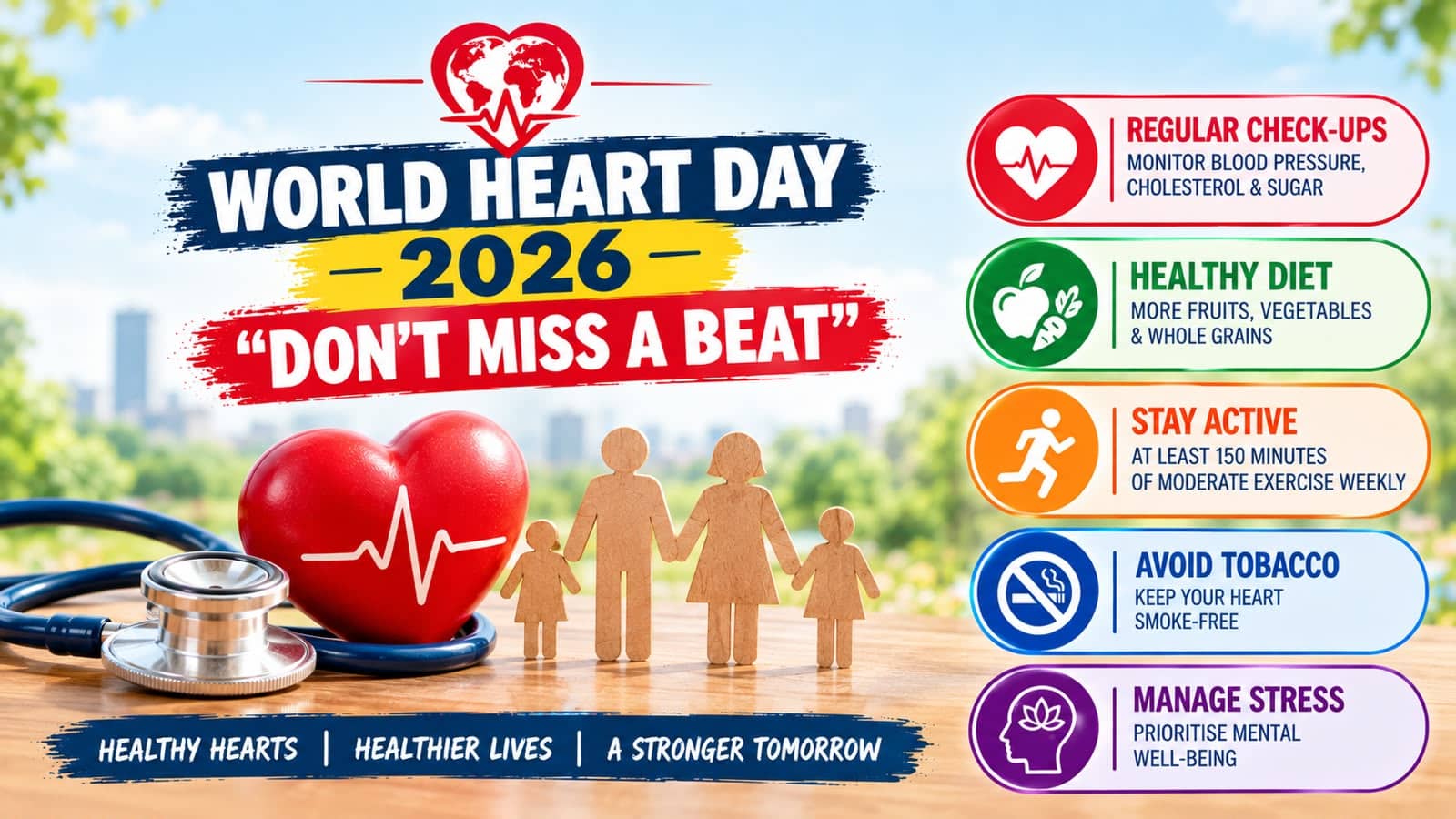
Health authorities, clinical practitioners, and advocacy organisations around the globe are coming together today to mark World Heart Day 2026.
Spearheaded by the World Heart Federation (WHF) in collaboration with the World Health Organisation (WHO), this year’s international observance centres on the campaign theme “Don’t Miss a Beat”.
Operating as the focal message for 2026 under the WHF’s overarching 2024–2026 multi-year mandate, “Use Heart for Action,” the initiative underscores a pivotal reality: cardiovascular issues do not always begin with a dramatic emergency.
Frequently, heart disease “hides in plain sight” through subtle, easily overlooked early symptoms such as unexplained fatigue, mild exertional breathlessness, or chest discomfort that vanishes after brief rest.
“World Heart Day is an urgent call to transform passive awareness into direct personal and institutional response,” notes campaign leadership. “Recognising subtle body changes and taking prompt medical advice can alter the trajectory of a person’s life.”
A Year in Data: Divergent Trends in Cardiovascular Health
The release of updated global tracking data over the past 12 months presents a paradoxical picture of cardiovascular health worldwide:
- Decreasing Mortality Rates: Public health campaigns, better emergency care, and widespread medication have successfully lowered heart disease deaths by nearly 17% over the last decade in high-income regions.
- Rising Overall Prevalence: Even with better survival rates, heart disease affects over 250 million people globally. It remains the world’s leading killer, claiming 19.4 to 19.8 million lives each year.
- Emerging Risk Factors and Youth Exposure: High blood pressure remains the top global cause of heart disease death, claiming over 10.8 million lives annually. Additionally, deaths linked to high BMI and metabolic issues have surged by over 40% in the last decade, hitting younger adults the hardest.
- Disparities in Low- and Middle-Income Regions: Over 75% of all cardiovascular disease (CVD)- related deaths continue to occur in low- and middle-income nations, where access to early screening, basic diagnostic infrastructure, and essential cardiovascular medications remains constrained.
The “Don’t Miss a Beat” Framework
The 2026 campaign lays out three primary pillars designed to curb the global burden of heart attacks and related conditions:
- See the Signs: Teaching people to spot subtle early signs—like unusual fatigue, jaw or shoulder tightness, and shortness of breath—instead of waiting for severe chest pain.
- Protect Your Heart: Taking charge of your health through regular screenings—like checking your blood pressure, blood sugar, and cholesterol—alongside daily habits like 150 minutes of weekly exercise, healthy eating, and quitting smoking.
- Demand Action: Call on governments and healthcare systems to make heart medications like statins more affordable, create smoke-free public spaces, and invest in early diagnostic tools.
As events take place worldwide today, health leaders stress that protecting your heart requires daily effort, not just emergency care. Checking your health metrics, seeing a doctor early if you feel unusual fatigue, and staying active are your best defences against heart attacks.