For decades, film promotion followed a familiar script: teaser, trailer, music launch, television appearances, city tours, interviews and a final media blitz before opening weekend. The formula was built around one central idea: visibility plus star power would bring audiences to theatres.
That formula is changing.
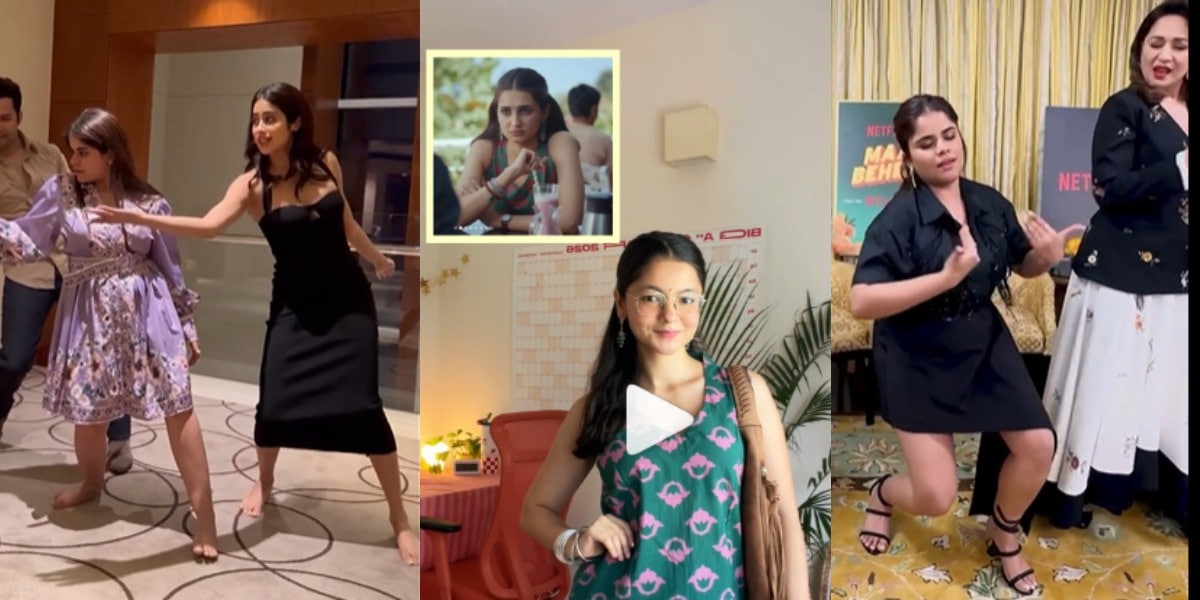
Today, a film’s promotional campaign often begins long before its trailer and increasingly lives inside creator ecosystems. A dance creator can turn a song hook into a trend. A meme page can transform a dialogue into internet currency. A movie reviewer can influence an audience’s decision within hours of a release. A lifestyle creator can make a character or storyline relevant to an entirely new community.
Creators are no longer simply amplifying film marketing. They are becoming part of the marketing strategy itself.
India’s massive social media audience has accelerated this shift. Younger audiences increasingly discover entertainment through Instagram, YouTube, short-form video and recommendations from people they follow. In such an environment, traditional advertising can create awareness, but creators can create participation.
And participation is increasingly what makes a film culturally relevant.
Consider the journey of a popular song. A studio may release the track, but creators can take its hook step, remix it, parody it or build an entirely new trend around it. Tauba Tauba became a social-media phenomenon through its dance trend, while Naatu Naatu demonstrated how creator-led participation can take a song far beyond its original linguistic and cultural boundaries.
The same principle applies to trailers. Once a trailer drops, it becomes raw material for thousands of reactions, theories, memes, edits and discussions. The official campaign may tell audiences what a film is about; creators tell different communities why they should care.
That is where creator marketing has a major advantage: relevance.
A food creator can connect a film to food culture. A fitness creator can discuss a character’s transformation. A pop-culture creator can decode mythology or fan theories. Instead of delivering one message to millions, studios can now deliver multiple versions of the same story to highly specific communities.
This has also changed the promotional calendar. Creator campaigns are moving from release-week activities to months-long strategies involving music, behind-the-scenes content, teaser reactions, fan theories, interviews, memes and post-release reviews.
The money is following the attention. Creator-led initiatives are increasingly being treated as planned marketing expenditure rather than an experimental add-on to traditional PR.
But the biggest opportunity may lie beyond Bollywood’s established markets. India’s digital audience is deeply regional, and a single national campaign cannot always speak effectively to Tamil, Telugu, Bengali, Marathi, Malayalam, Kannada, Hindi and other language communities. Local creators can provide cultural context that national advertising often cannot.
The future of film promotion, therefore, may not belong to the loudest campaign but to the most relevant one.
Creators do not merely distribute promotional material. They interpret it, personalise it and place it inside communities that already trust them. In an entertainment landscape overflowing with content, that trust can be more valuable than another billboard or television spot.
The trailer may still announce a film. The stars may still sell it.
But increasingly, creators are the ones starting the conversation and sometimes, they may be the real opening act.
✍️ About the Author
Sabyasachi Kundu is a former journalist with extensive experience in political and social reporting. He currently works as a Senior Communication Consultant, focusing on public discourse, governance, and citizen engagement. His writings often explore the intersection of policy, protest, and democratic accountability, drawing on years of newsroom and field experience.
The author can be contacted at mail@sabyasachi.work.
⚖️ Disclaimer
The views and opinions expressed in this article are solely those of the author and do not necessarily reflect the editorial stance of Pragativadi.com. Pragativadi remains committed to providing a platform for diverse perspectives while upholding its editorial independence and integrity.