Ukrainian President Volodymyr Zelensky has welcomed the US Senate’s decision to advance a bipartisan Russia sanctions bill, describing it as a significant step toward peace and a powerful moral message to Ukraine.
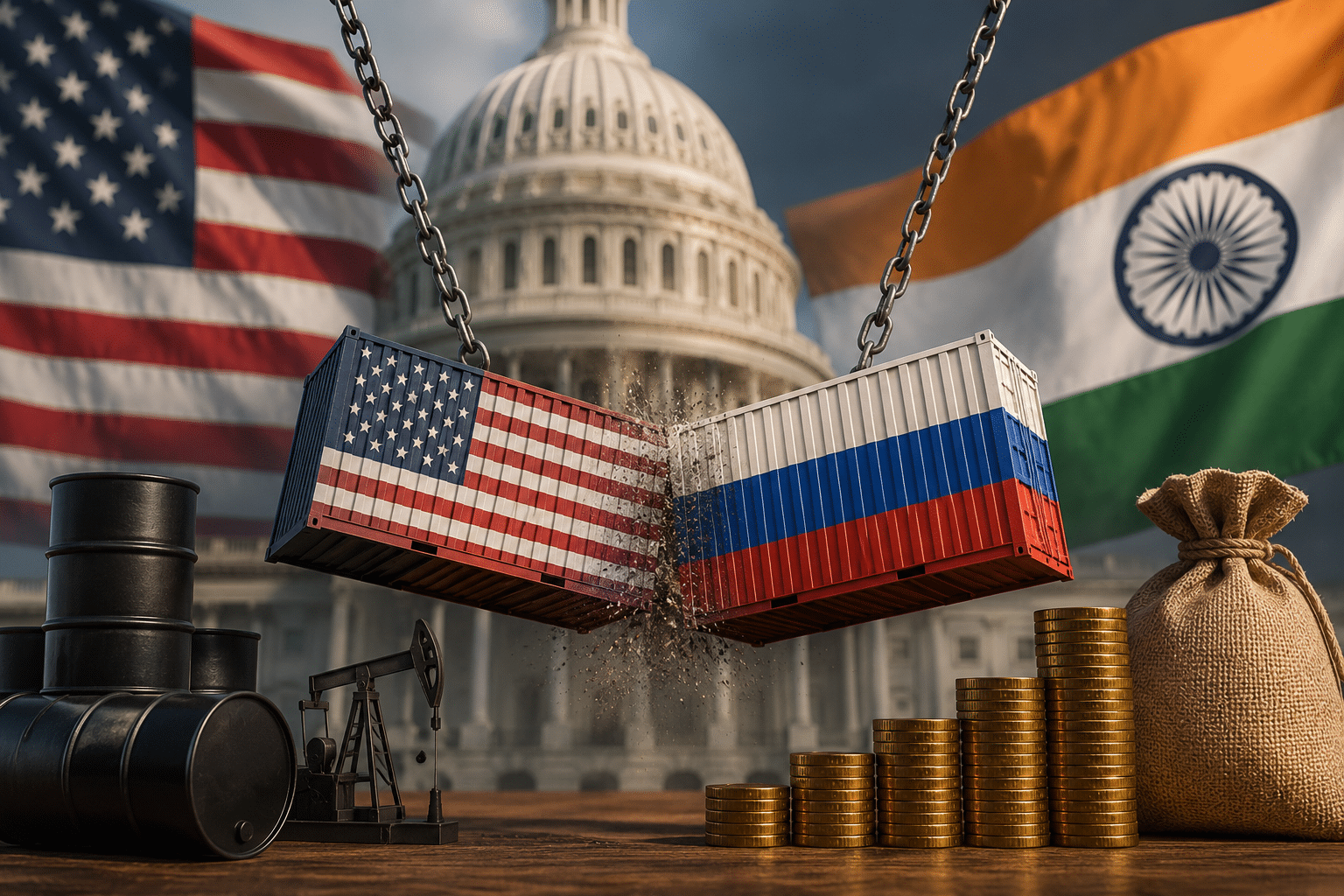
The proposed legislation could also have major implications for India, China and other countries by authorising tariffs of up to 100% on major purchasers of Russian oil and natural gas.
Zelensky attended the Senate proceedings from the visitors’ gallery as lawmakers voted 86-12 to advance the sanctions bill, marking a crucial procedural milestone. Soon after the vote, he thanked US senators for supporting legislation aimed at increasing economic pressure on Russia over its invasion of Ukraine.
Calling the measure “very important,” Zelensky said sanctions remain critical not only for limiting Russia’s ability to finance the war but also for sending a strong signal of continued international support for Ukraine. He described the legislation as an important moral boost for a country that continues to defend itself against Russian aggression.
The sanctions bill was championed by the late US Senator Lindsey Graham, one of Ukraine’s strongest supporters in Washington. The Senate vote coincided with Graham’s funeral, adding symbolic significance to the proceedings.
In a post on X, Zelensky said it was meaningful that senators advanced legislation Graham had worked on extensively. He described the vote as the first step toward implementing the late senator’s vision and expressed hope that the measure would contribute to lasting peace.
The legislation, first introduced in April 2025, authorises the US President to impose tariffs of up to 100% on countries that remain among the world’s largest buyers of Russian oil and natural gas. India, China, Slovakia, Hungary and Azerbaijan are among the countries that could be affected if the bill becomes law.
The proposed measure includes an exemption for countries importing less than 15% of their natural gas from Russia while taking additional steps to reduce their dependence on Russian energy supplies.
For India, the development comes at a sensitive time. The country remains the world’s second-largest importer of Russian crude oil after China. India’s purchases of Russian energy have increased in recent years amid disruptions in global energy markets, making Russian crude a significant component of its import basket.
The United States had previously imposed an additional 25% tariff on Indian goods in August 2025 over New Delhi’s continued purchase of Russian oil, raising overall tariffs on Indian exports to 50%. The proposed legislation could further increase trade pressure if implemented.
The sanctions bill also arrives while India and the United States continue negotiations on a bilateral trade agreement aimed at easing tariff-related tensions and strengthening economic ties.
Although the Senate has advanced the legislation, it must still clear additional legislative stages before reaching the President’s desk. If enacted, the bill could reshape global energy trade and influence diplomatic and economic relations between Washington and countries that continue importing Russian energy.