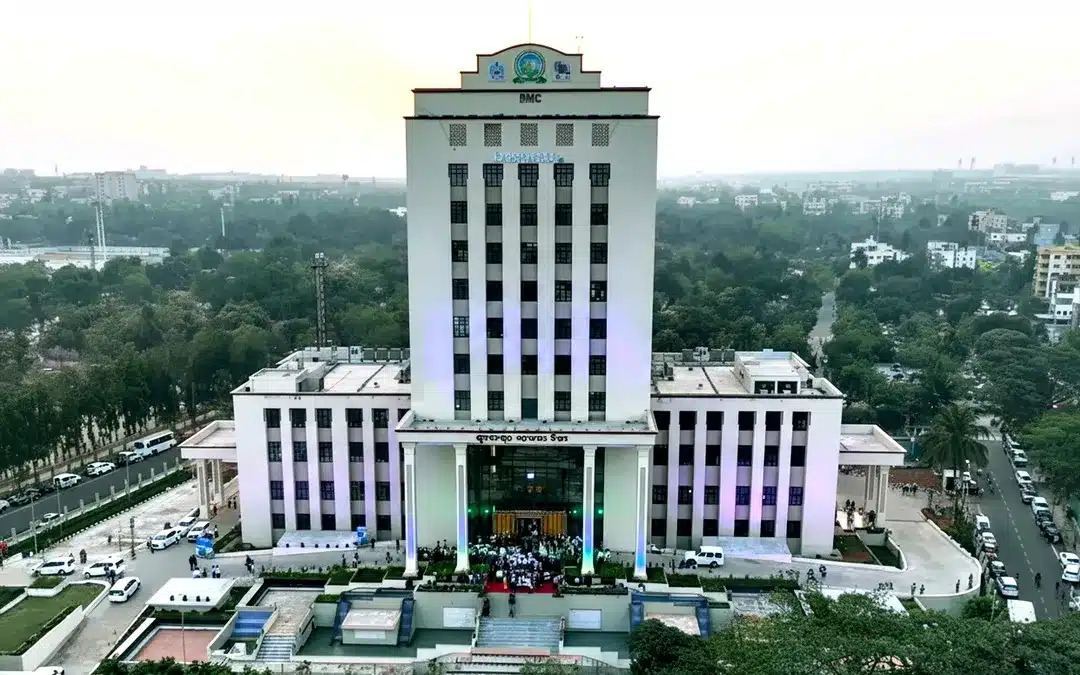
The Bhubaneswar Municipal Corporation (BMC) has requested the Odisha government and oil marketing companies to exempt its operations from the Centre’s fuel rationing guidelines, warning that restrictions on diesel supply could impact sanitation and waste management services across the city.
According to civic officials, the current fuel cap of 200 litres per day is significantly lower than the corporation’s daily requirement of nearly 2,000 litres. BMC has expressed concern that prolonged restrictions could affect essential public services, including waste collection, transportation, and sanitation management.
Fuel Restrictions May Affect Waste Management Operations
In a communication to the Food Supplies and Consumer Welfare Department, BMC highlighted the potential impact of diesel shortages on key municipal projects, particularly the bio-mining initiative at the Bhuasuni waste processing site.
The corporation stated that heavy machinery used at the facility requires substantial fuel to process legacy waste and maintain daily operations. Officials noted that the project contractor consumes approximately 3,000 litres of fuel every week to run excavators, loaders, and other equipment.
Reports indicate that some fuel suppliers have informed BMC about limitations in supplying diesel beyond the prescribed cap, raising concerns about possible operational disruptions.
Essential Civic Services Depend on Diesel-Powered Fleet
BMC manages nearly 800 metric tonnes of municipal solid waste every day through an extensive fleet of diesel-powered vehicles. These include door-to-door waste collection vehicles, transportation trucks, mechanised road sweeping machines, and other heavy-duty municipal equipment.
Officials said uninterrupted fuel availability is critical to maintaining public health and sanitation standards in the state capital.
BMC Approaches Government for Intervention
BMC Additional Commissioner Kailash Chandra Dash, who oversees the civic body’s vehicle fleet, said the corporation has already approached multiple oil companies regarding the issue. While some suppliers have indicated limitations due to the rationing policy, fuel supplies have not yet been discontinued.
According to BMC, the civic body spends approximately ₹2 lakh per day on fuel to support essential municipal operations. Authorities have urged the state government to intervene and ensure adequate fuel allocation for critical public services.
Focus on Maintaining Public Services
The corporation emphasised that sanitation, waste collection, and waste processing are essential services that directly affect residents’ quality of life. BMC has requested special consideration under the fuel rationing framework to ensure uninterrupted service delivery and the smooth functioning of key urban infrastructure projects.
Officials remain hopeful that a resolution will be reached soon to prevent disruptions to waste management and sanitation activities across Bhubaneswar.