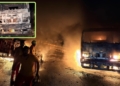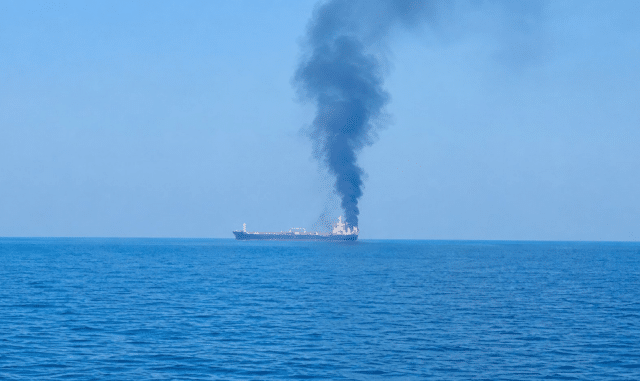
In a dramatic escalation of the ongoing blockade enforcement in the Gulf of Oman, American forces struck the oil tanker M/T Jalveer on June 11, 2026, firing two Hellfire missiles into its engine room.
The vessel, crewed by 20 Indian sailors, was disabled but all crew members were safely rescued following the attack.
The strike marks the third incident in just four days involving Indian-crewed ships caught in the crossfire of the US-led blockade against Iran.
According to US Central Command, the action was taken after the tanker failed to comply with repeated instructions. Officials emphasised that the blockade is being enforced “impartially against vessels of all nations,” underscoring Washington’s determination to tighten maritime control in the region.
The Gulf of Oman, a critical artery for global oil shipments, has become a flashpoint as tensions between the US, Israel, and Iran continue to rise. India, whose sailors have repeatedly been endangered, faces mounting pressure to safeguard its maritime workforce while balancing delicate diplomatic ties.
Observers warn that the repeated targeting of Indian-crewed ships could strain relations and raise questions about the impartiality of enforcement. For New Delhi, the incident highlights the vulnerability of its seafarers and the urgent need for coordinated international measures to ensure their safety.
As the blockade intensifies, the Jalveer strike serves as a stark reminder of the human cost of geopolitical conflict, with ordinary sailors bearing the brunt of superpower rivalries.