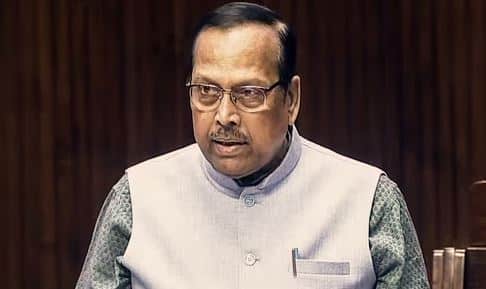
In a significant setback for the Trinamool Congress (TMC), senior leader Sukhendu Sekhar Ray on Monday resigned from the Rajya Sabha and announced his exit from the party, ending his long association with the Mamata Banerjee-led organisation.
The development comes at a time when the TMC is grappling with an unprecedented internal crisis following its defeat in the 2026 West Bengal Assembly elections.
Sukhendu Sekhar Ray Announces Exit from TMC
In his resignation letter, Ray said he was stepping down from both the Rajya Sabha and the primary membership of the Trinamool Congress in what he described as a respectful acceptance of the people’s verdict.
Referring to the recent Assembly election results, he stated that the people of West Bengal had delivered a historic mandate in favour of the Bharatiya Janata Party (BJP), ending the TMC’s 15-year rule in the state.
According to Ray, voters sought a change after years of dissatisfaction with the state’s governance and administration.
Sharp Criticism of Former TMC Government
In his letter, Ray alleged that the previous TMC government was marked by widespread corruption and governance failures.
He accused the former administration of shortcomings in key sectors, including:
- Health
- Education
- Employment
- Industrial development
- Law and order
He also referred to allegations of atrocities against women and claimed that public dissatisfaction had contributed significantly to the party’s electoral defeat.
Praise for New BJP-Led Government
Ray expressed optimism about the newly elected BJP government in West Bengal, saying it had already begun taking steps towards development and reconstruction of the state.
He noted that the new administration was working to implement promises outlined in its election manifesto and suggested that voters had placed their trust in a new political direction.
TMC Faces Deepening Internal Crisis
The resignation is the latest blow to the Trinamool Congress, which has been facing growing unrest within its ranks since losing power in West Bengal.
The party’s troubles intensified earlier this month when Bengal Assembly Speaker Rathindra Nath Bose recognised a group of 58 rebel TMC legislators as the principal opposition bloc in the Assembly.
The rebel faction, led by senior MLA Raitabrata Banerjee, continues to acknowledge Mamata Banerjee’s leadership but has openly challenged the authority of her nephew and party general secretary, Abhishek Banerjee.
Low Attendance at Leadership Meeting Raises Concerns
The internal divide became more visible when only a handful of non-rebel legislators attended a meeting convened by the party leadership at Mamata Banerjee’s residence.
Political observers view the low turnout as a sign of growing dissatisfaction among party members following the Assembly election defeat.
Ajmal Siddiqui Also Resigns
Ray’s departure follows another high-profile resignation from the party.
Former TMC minority cell leader Ajmal Siddiqui recently quit the organisation, alleging dissatisfaction with the party’s internal functioning and accusing sections of the leadership of adopting a dictatorial style.
His resignation further highlighted the challenges facing the TMC as it attempts to rebuild after its electoral loss.
What Lies Ahead for TMC?
Sukhendu Sekhar Ray’s resignation is being seen as one of the most significant exits from the party since the Assembly election results.
With growing dissent among legislators, multiple resignations and ongoing factional tensions, the Trinamool Congress faces a crucial period of political restructuring.
How the party leadership responds to the crisis in the coming weeks could play a decisive role in shaping the future of opposition politics in West Bengal.