
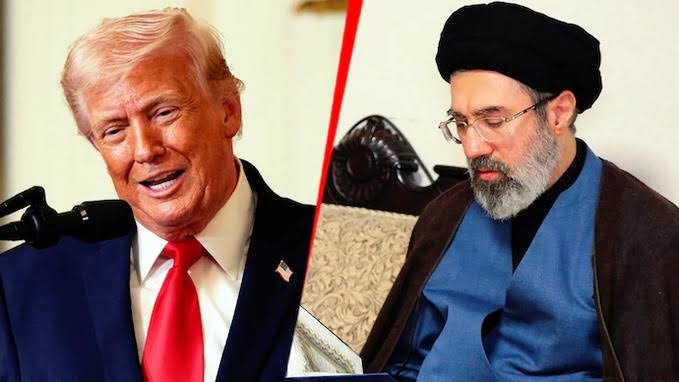
Iran has reportedly conveyed its willingness to engage in diplomatic talks with the United States as efforts intensify to de-escalate the ongoing conflict. However, Tehran appears to prefer dialogue led by JD Vance rather than Donald Trump, according to sources familiar with the developments.
Preference for JD Vance in Diplomatic Engagement
Back-channel communications suggest Iranian officials view Vice President Vance as more open to pursuing a negotiated resolution. Sources indicate that Tehran believes he may be more inclined toward ending hostilities through diplomacy.
At the same time, Iranian representatives reportedly expressed limited confidence in negotiations led by figures such as Steve Witkoff or Jared Kushner, citing a trust deficit following the collapse of earlier talks.
US Maintains Final Authority on Negotiators
Despite Iran’s preference, the decision on who will represent the United States remains with President Donald Trump. The White House has reiterated that multiple senior officials—including Vance, Secretary of State Marco Rubio, and other envoys—are part of ongoing diplomatic efforts.
Officials have also dismissed reports of Iran’s preference as an attempt to influence US policy through external narratives.
Talks in Pakistan Under Consideration
Diplomatic activity has intensified in recent days, with reports suggesting that potential talks could take place in Pakistan, possibly in Islamabad. Pakistan, along with countries such as Turkey, Oman, and Egypt, is believed to be facilitating communication between the two sides.
However, uncertainty remains over whether such a meeting will materialise due to ongoing hostilities and deep-rooted mistrust.
Diplomacy Continues Amid Escalating Conflict
The renewed diplomatic signals come even as tensions remain high on the ground. The United States has continued to reinforce its military presence in the region, while outlining key conditions for any potential agreement, including assurances related to Iran’s nuclear programme.
Although both sides have publicly downplayed direct negotiations, back-channel exchanges indicate that exploratory discussions may be underway.
Strait of Hormuz and Global Stakes
The outcome of any negotiations carries significant global implications, particularly for the Strait of Hormuz, a critical route for global oil and gas supplies. Continued disruption could impact energy markets, inflation, and supply chains worldwide.