
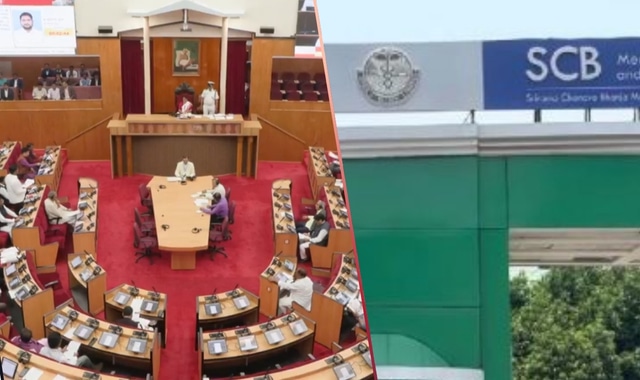
Patients across Odisha are facing severe hardships due to non-functional dialysis machines at the state’s largest hospital, SCB Medical College and Hospital in Cuttack.
The issue, attributed to a shortage of a specific fluid required for the machines, has left kidney patients in distress, with many travelling from remote corners of the state only to be turned away or delayed.
The matter escalated to the Odisha Legislative Assembly on Friday, where multiple members voiced strong concerns and urged the government for immediate intervention.
During the zero-hour session, Biju Janata Dal (BJD) MLA and Opposition Chief Whip Pramila Mallik highlighted the crisis, stating that the dialysis machines at SCB have become inoperable due to the unavailability of the essential fluid. She noted that similar problems are plaguing hospitals in various districts, emphasising that such a situation is unacceptable in the state’s premier medical facility. “The government must take swift action to resolve this,” Mallik demanded.
Mallik also drew attention to broader healthcare lapses, pointing out that the NirAmaya scheme—launched by former Chief Minister Naveen Patnaik to provide free medicines to the poor—previously offered around 200 types of drugs. However, she claimed that nearly 80 varieties are now unavailable under the program. Adding to the woes, she alleged that counterfeit medicines are flooding the market, posing risks to patients. Mallik called on the Health Minister to ensure the supply of all essential drugs and crack down on fake pharmaceuticals without delay.
Echoing these sentiments, BJD MLA Sarada Jena raised the alarm over the impact on patients, revealing that approximately 70 kidney patients have written a letter to the SCB superintendent expressing their frustration and outrage. “This letter paints a grim picture of Odisha’s healthcare system,” Jena said, describing it as unfortunate that machines are idle merely due to a fluid shortage. He urged the government to address the issue urgently to prevent further suffering.
The concerns come at a time when Odisha’s public health infrastructure is under scrutiny, with opposition members accusing the current administration of negligence. No immediate response from the Health Department was available, but the assembly discussions have put pressure on officials to restore services promptly. Patients and their families hope for quick resolution, as delays in dialysis can lead to life-threatening complications for those with chronic kidney disease.