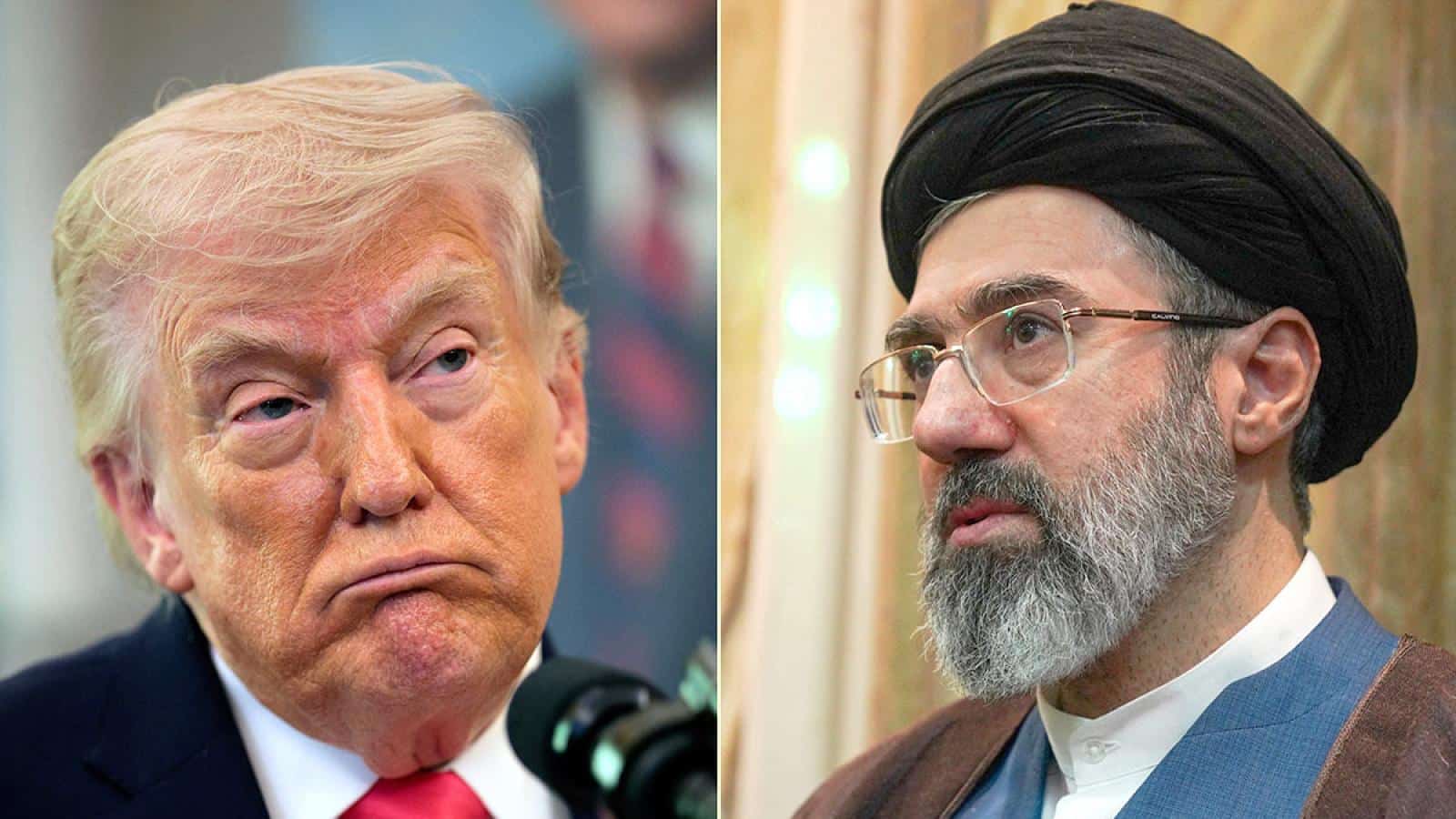
Amid escalating tensions in the US–Iran War, US President Donald Trump has reportedly proposed a comprehensive 15-point ceasefire plan aimed at ending hostilities between Washington and Tehran. The proposal comes nearly a month after the conflict intensified, with continued military strikes and rising global concerns over energy security.
According to officials, the plan has been conveyed to Iran through intermediaries, with Pakistan emerging as a key diplomatic channel and potential host for negotiations.
Key Highlights of the Ceasefire Proposal
While the full document has not been publicly released, reports indicate that the proposal focuses heavily on Iran’s nuclear and missile capabilities. Key provisions include:
- A one-month ceasefire period to facilitate negotiations
- Complete dismantling of Iran’s nuclear weapons capability
- Immediate halt to uranium enrichment activities
- Transfer of enriched uranium stockpiles to the International Atomic Energy Agency
- Demolition of major nuclear facilities at Natanz, Isfahan, and Fordo
- Full inspection access for international nuclear watchdogs
- Restrictions on ballistic missile development and usage
- Termination of support for regional proxy groups
- Assurance that the Strait of Hormuz remains open for global trade
The reopening of the Strait of Hormuz is considered a critical component of the plan, given its importance in global oil transportation and its recent disruption, which has contributed to rising fuel prices worldwide.
US Offers in Exchange
In return for Iran’s compliance, the United States has reportedly proposed:
- Complete lifting of economic sanctions
- Support for Iran’s civilian nuclear energy program, including operations at the Bushehr plant
- Removal of the “snapback” sanctions mechanism
These incentives aim to provide Iran with economic relief and a pathway to reintegration into the global energy market.
Iran’s Response and Counter Demands
Iranian officials have responded cautiously to the proposal. Military spokespersons have publicly dismissed the plan, suggesting that the US is “negotiating with itself.” Statements from senior leadership indicate that Tehran remains committed to continuing the conflict until it achieves its strategic objectives.
At the same time, reports suggest Iran has outlined its own conditions for ending the war, including:
- Immediate cessation of hostilities
- Guarantees against future US military action
- Financial compensation for war-related damages
- Formal control over the Strait of Hormuz
- No restrictions on its ballistic missile program
These demands highlight significant differences between the two sides, particularly regarding military capabilities and regional influence.
Global Implications
The ongoing conflict has already impacted global energy supply chains, with disruptions in oil shipments through the Strait of Hormuz affecting markets worldwide. The situation has raised concerns about inflation, fuel availability, and broader economic stability.
Diplomatic efforts continue behind the scenes, with multiple countries acting as intermediaries to de-escalate tensions and bring both sides to the negotiating table.
Conclusion
The proposed 15-point ceasefire plan reflects a significant diplomatic effort to end the ongoing conflict. However, stark differences between US demands and Iran’s conditions suggest that reaching a final agreement may be complex and time-consuming.
As global stakeholders closely monitor developments, the outcome of these negotiations will play a crucial role in shaping regional stability and international energy security.