Self-proclaimed journalists may not enjoy the same legal protection afforded to accredited reporters, the Supreme Court observed on Thursday while hearing petitions alleging police misconduct against media personnel during the October anti-Chief Election Commissioner (CEC) protests in Delhi.
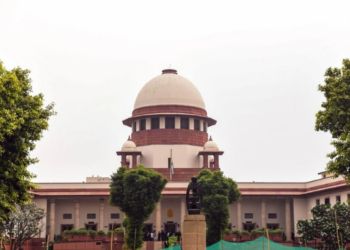
A bench comprising Chief Justice of India Surya Kant and Justices Joymalya Bagchi and V Mohana was hearing pleas filed by the Kerala Union of Working Journalists and the Delhi Union of Journalists over the alleged detention, assault, and forcible removal of reporters covering demonstrations against CEC Gyanesh Kumar on October 10 and 11.
During the proceedings, Justice Bagchi noted that journalistic status “is not self-conferred,” distinguishing between reporters registered under the Press Council or employed by recognised print, television, and online outlets versus “atomised individuals” making reels on social media. Emphasising the need to balance press freedom with public order, the bench stated it must first legally define who qualifies as a journalist.
The remarks follow a Delhi Police affidavit questioning whether commercial “reel-makers” and content creators can be elevated to the status of journalists. While CJI Surya Kant indicated the court could intervene to clarify grey areas in framing a Standard Operating Procedure (SOP) for protest coverage, Justice Bagchi added that law enforcement’s response under any SOP would depend on the claimant’s journalistic status.
Meanwhile, the bench referred the factual complaints of seven journalists to a committee headed by former SC judge R Subhash Reddy.