In a major diplomatic push to halt persistent Houthi attacks on critical infrastructure, Saudi Arabia has reportedly offered a $1 billion financial package to Yemen’s Houthi rebels through an Iran-mediated ceasefire proposal, according to a report by Israeli newspaper Israel Hayom.
The high-stakes diplomatic maneuver follows escalating regional hostilities, disruptions to global oil shipping routes, and recent missile strikes affecting Saudi territory, including areas near Riyadh, Mecca, and Medina.
High-Level Talks in Tehran and the $1 Billion Proposal
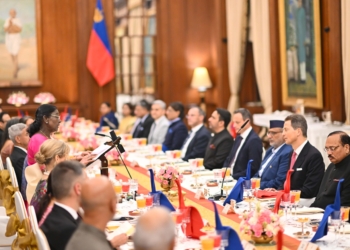
According to Gulf diplomatic sources cited in the report, Saudi Defence Minister Prince Khalid bin Salman traveled to Tehran aboard a Hercules military transport aircraft to hold extensive discussions aimed at ending the cross-border attacks.
While Saudi Arabia’s Ministry of Foreign Affairs officially confirmed Prince Khalid’s visit alongside representatives of countries aligned with the Mecca Joint Defence Alliance, the ministry’s statement did not explicitly mention the alleged $1 billion financial package.
The high-level talks brought together key regional power brokers, including Pakistani Army Chief Field Marshal Asim Munir, Turkish Intelligence Chief Ibrahim Kalin, and Iranian President Masoud Pezeshkian, alongside senior Islamic Revolutionary Guard Corps (IRGC) officials and Supreme National Security Council Secretary Mohsen Rezaei. Iran reportedly stepped in to facilitate negotiations between Riyadh and the Houthi leadership.
Reviving Stalled Pacts and Relieving Economic Pressure
The proposed financial package is tied to previous understandings brokered roughly three years ago, which reportedly stalled over unmet commitments regarding financial assistance for public-sector salaries and civilian infrastructure reconstruction in Houthi-controlled regions. The Houthis have historically cited these grievances to justify renewed military actions.
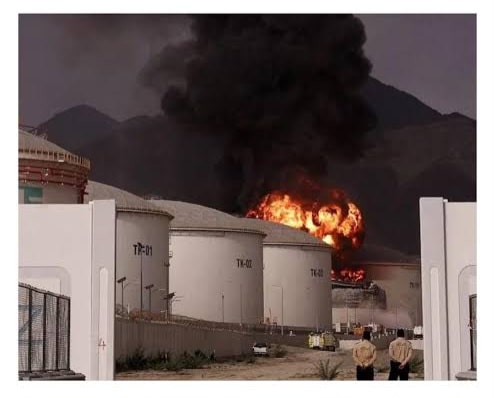
Recent Houthi drone and missile strikes have placed immense pressure on the kingdom, forcing the temporary closure of Riyadh’s airport, disrupting energy supplies, and causing the postponement of a major international investment conference. With global energy markets already jittery due to tanker disruptions in the Strait of Hormuz, the latest diplomatic initiative highlights Riyadh’s urgency to secure a lasting cessation of hostilities.v