In the eastern Indian state of Odisha, the festival of Prathamastami brings families together to honour their eldest child in a deeply meaningful way.
Observed on the Ashtami (eighth day) of the Krishna Paksha in the month of Margashirsha, the festival emphasises blessings, responsibility and the continuity of family traditions.
Significance and Meaning
On this day, families focus their thoughts on the first-born child (often lovingly called the “Podhuan”). The day holds two key themes: the celebration of a new generation of responsibility, and the expression of gratitude for life, health and prosperity. Mothers and elders pray to the protective goddess (often Sasthi Devi) for the child’s long life and well-being.
The festival also links with agriculture and harvest cycles—falling just after the Kharif season, it gives Odia households an opportunity to thank nature and the divine for their produce.
Family Rituals and Traditions
Families begin the day early, with purification baths and the eldest child dressed in new clothing. Sandalwood paste may be applied to the forehead, symbolising blessing and protection.
Key rituals include:
-
Worship of gods and goddesses: Families invoke Lord Ganesha (remover of obstacles) and Sasthi Devi (protector of children).
-
Offerings: Items such as turmeric, betel leaves, coconut, sweets and new garments are placed before the deity, and then gifted to the eldest child.
-
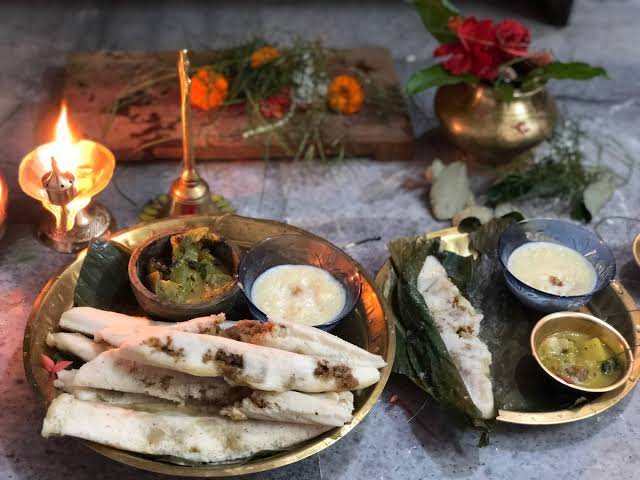
Lighting of the oil lamp (deepam): signifying light of wisdom, guidance and hope for the child’s future.
-
Blessings from elders: Grandparents or senior family members bless the first-born, symbolising the handing-over of values and family responsibilities.
-
The maternal uncle’s special role: Known in many Odia households as the Ashtami Bandhu, the child’s maternal uncle presents gifts, sweets and new clothes to show affection and support.
Culinary Delights: Traditional Festival Dishes
No Odia festival is complete without a distinctive set of dishes, and Prathamastami is no exception. Food plays a symbolic role in marking celebration, prosperity and familial bond.
-
Enduri Pitha: The signature sweet of this festival. Made with rice flour, jaggery, grated coconut and chhena (cottage cheese), wrapped in turmeric leaves and steamed in an earthen pot (athaara handi). The turmeric leaves impart a unique aroma and flavour.
-
Other traditional dishes:
-
Dalma: Lentils cooked with vegetables and tempered in ghee and cumin—simple, nourishing, and symbolic of sustenance.
-
Kanika: A fragrant sweet rice dish with ghee, sugar and dry fruits—the festive treat.
-
Manda Pitha: Another steamed rice cake, filled with coconut and jaggery, showcasing the richness of Odia culinary heritage.
-
Khiri (Rice Pudding): Creamy rice cooked with milk, sugar and cardamom, symbolising sweetness and prosperity in life and relationships.
-
Symbolism and Family Values
Beyond the food and rituals, Prathamastami conveys deeper messages:
-
The first-born is seen as the pillar of the household, the torchbearer of family values, tradition and responsibility.
-
The celebration itself brings families together—cooking, praying and gifting reinforce the bonds between parents, children, siblings and extended family.
-
The use of turmeric leaves in Enduri Pitha and the lighting of the deepam symbolise purity, protection, and the hope for a bright future.
-
The festival honours lineage, heritage and continuity—linking generations through ritual, food and love.
Final Thoughts
Prathamastami is more than just a religious observance—it is an affectionate, culturally rich celebration of life, duty and family. By honouring the eldest child, families in Odisha reaffirm their love, hope and belief in the future. Rooted in tradition, cuisine and ritual, Prathamastami is a reminder of the strength of familial bonds, the value of heritage and the timeless connection between children, parents and the community.
Through its meaningful customs and flavours, this festival continues to thrive—ensuring that the eldest child of each household feels cherished, supported and ready to carry forward the legacy of love and responsibility.