In a sharp escalation of scrutiny over India’s troubled medical entrance examination system, the Parliamentary Standing Committee on Education, Women, Children, Youth and Sports has summoned National Testing Agency (NTA) Chairperson Pradeep Kumar Joshi, Higher Education Secretary and other senior officials for a high-stakes meeting on May 21.
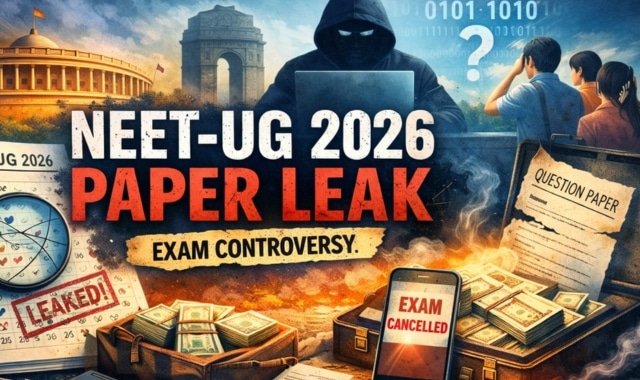
The committee wants a detailed update on the ongoing investigation into the NEET-UG 2026 paper leak, just weeks after the exam was dramatically cancelled and rescheduled. The session will also review progress on the landmark K. Radhakrishnan Committee recommendations to overhaul the NTA’s operations.
The move comes amid mounting public anger. Lakhs of aspiring doctors had appeared for the NEET-UG exam on May 3, only for allegations of a leaked “guess paper” matching a shocking number of questions to force the NTA to scrap the test and announce a re-exam on June 21. The Central Bureau of Investigation (CBI) is now probing the leak, with arrests already made.
The May 21 meeting is expected to cover broader issues, including the use of AI in education and challenges faced by institutions like Aligarh Muslim University and the National Commission for Minority Educational Institutions.
Aspiring candidates and opposition leaders have intensified calls for accountability. Protests have erupted in several cities, with students demanding a leak-proof system and swift justice. Some voices are even pushing for structural changes, such as making the NTA a statutory body directly accountable to Parliament.
As the clock ticks toward the re-exam, all eyes are on Thursday’s parliamentary session. Will the NTA present a convincing roadmap to restore credibility, or will the pressure lead to more heads rolling?
The nation’s future doctors are watching closely. For them, this isn’t just another bureaucratic meeting—it’s a battle for fairness in one of India’s most competitive and life-defining examinations.