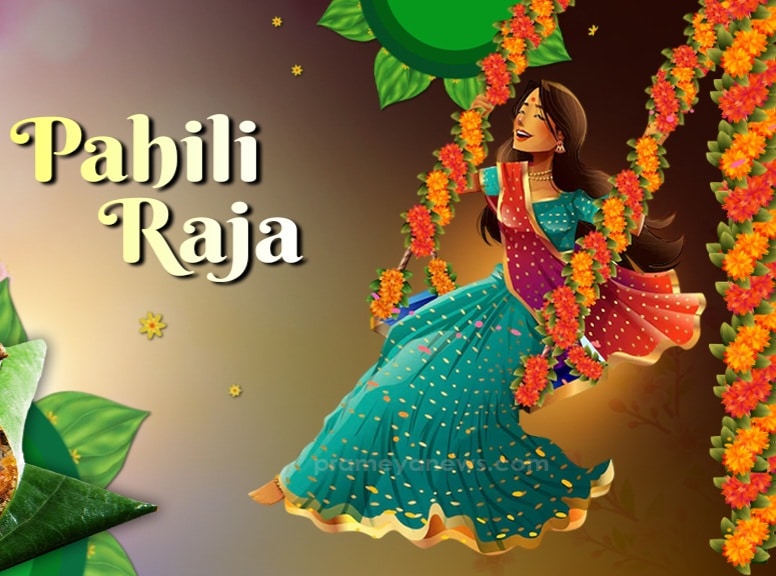
As monsoon showers begin to refresh the landscape of Odisha, people across the state are celebrating Pahili Raja, the first day of the much-loved Raja Parba, one of Odisha’s most significant cultural festivals.
Observed on June 14 this year, Pahili Raja marks the start of a unique celebration dedicated to womanhood, fertility, and the rejuvenation of Mother Earth. The festival is deeply rooted in Odisha’s agrarian traditions and reflects the community’s respect for nature and the life-giving power of women.
The Cultural Significance of Raja Parba
Raja Parba, also known as Raja Festival or Mithuna Sankranti, symbolizes the annual menstrual cycle of Mother Earth, known as Bhudevi in Hindu tradition.
Derived from the word “Rajaswala,” meaning a menstruating woman, the festival acknowledges fertility, creation, and renewal. During the three-day celebration, agricultural activities such as ploughing, digging, and tilling are traditionally suspended, allowing the earth to rest before the commencement of the sowing season.
The festival highlights a long-standing cultural belief that nature, like humanity, requires periods of rest and rejuvenation.
Four-Day Celebration of Tradition and Joy
Raja Parba is observed over four days:
Saja Baja
The preparatory day when homes are cleaned and festive foods are prepared.
Pahili Raja
The first official day of celebration, marked by traditional rituals and festivities.
Raja Sankranti (Mithuna Sankranti)
The principal day of the festival, coinciding with the Sun’s transition into the Mithuna (Gemini) zodiac sign.
Basi Raja (Bhudaaha)
The concluding day of rest and celebration.
The festival concludes with Basumati Snana, a ceremonial ritual in which Mother Earth is symbolically bathed and worshipped.
Celebrating Womanhood and Femininity
One of the most distinctive aspects of Raja Parba is its celebration of women and girls.
On Pahili Raja, women traditionally take a ceremonial bath using turmeric and fragrant oils before dressing in new sarees and festive attire. Many adorn their hands and feet with alata, wear flowers and jewellery, and spend the day free from household responsibilities.
The occasion encourages relaxation, social interaction, and cultural expression while highlighting the dignity and importance of womanhood.
Swings, Folk Songs and Community Bonding
Decorated swings, known as Raja Doli or Jhula, become the centre of festivities across villages and towns.
Women and children gather to enjoy swinging, sing traditional Raja Geeta, participate in games, and exchange greetings with friends and family members.
The vibrant atmosphere, filled with music, laughter, and community spirit, transforms the festival into a joyous social celebration that brings generations together.
Poda Pitha and Traditional Delicacies Take Centre Stage
Food plays a major role in Raja celebrations, with households preparing a variety of traditional Odia delicacies.
Among them, Poda Pitha, a slow-baked rice cake made with rice, coconut, jaggery, and other ingredients, remains the undisputed favourite.
Other festive treats include:
- Manda Pitha
- Kakara Pitha
- Arisa Pitha
- Enduri Pitha
- Seasonal fruit-based sweets
These dishes are shared among relatives, neighbours, and guests, strengthening community bonds during the festival.
A Celebration of Culture, Nature and Empowerment
Beyond its rituals and festivities, Raja Parba represents Odisha’s enduring respect for nature, agriculture, and feminine strength.
The festival continues to inspire themes of women’s empowerment, environmental awareness, and cultural pride while preserving traditions passed down through generations.
As monsoon clouds gather over Odisha’s green fields, Pahili Raja serves as a reminder of the interconnectedness of humanity and nature, celebrating life’s cycles of growth, renewal, and prosperity.
Odisha’s Beloved Monsoon Festival
For millions of Odias across the world, Raja Parba is more than a seasonal celebration. It is a heartfelt tribute to womanhood, fertility, community harmony, and the nurturing spirit of Mother Earth.
As the festivities begin with Pahili Raja 2026, Odisha once again embraces one of its most cherished cultural traditions with joy, devotion, and pride.