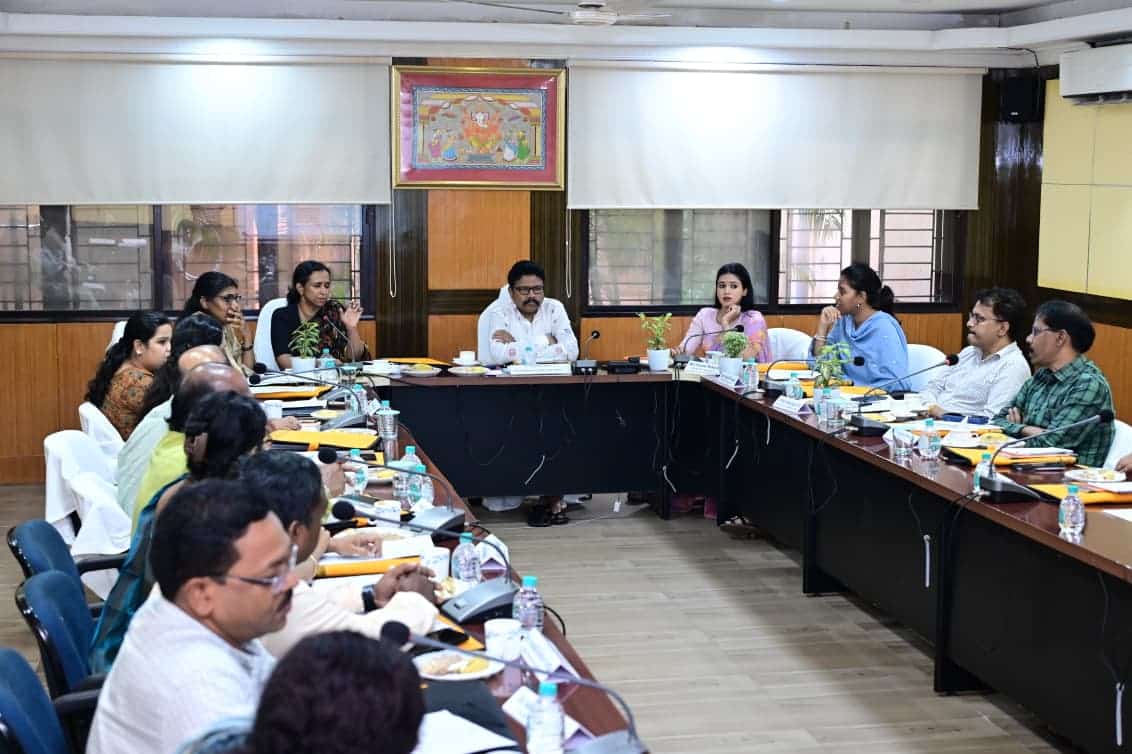
In a decisive move to address declining sex ratios and curb illegal prenatal sex determination, the State Supervisory Board under the Pre-Conception and Pre-Natal Diagnostic Techniques (PC-PNDT) Act convened today at the National Health Mission Conference Hall in Bhubaneswar. The meeting was chaired by Health and Family Welfare Minister Dr Mukesh Mahaling.
Discussions centred on strategies to improve the state’s sex ratio, with special focus on districts lagging behind. The Board directed authorities to strengthen district-level committees, intensify inspections of ultrasound clinics, and expand awareness campaigns. “Awareness must be given special priority,” the Minister emphasised, underscoring the need for community participation alongside strict enforcement.
The Board reviewed significant technological advances that have enhanced transparency and accountability. Odisha has operationalised online registration and renewal of ultrasound facilities, digital Form-F reporting, integration with the Odisha Council of Medical Registration (OCMR) for verifying practitioners, and ABHA-based beneficiary authentication. These measures have markedly improved monitoring and reduced scope for misuse.
Between 2024 and 2026, district authorities conducted 649 inspections while the state carried out 11. Action taken included sealing six illegal ultrasound clinics, seizing six machines, registering FIRs, and initiating disciplinary proceedings against government doctors found involved in violations.

Looking ahead, the Board stressed the importance of rigorous inspections by authorised officers, strict legal action against all individuals involved in illegal sex selection, and sustained sensitisation of medical colleges, healthcare providers and prospective parents. Under the informer reward scheme, anyone providing information about unregistered clinics, sex selection or illegal sex determination stands to receive ₹25,000.
Analysis of Sex Ratio at Birth (SRB) data identified Jajpur as the best-performing district. Nayagarh, Angul, Dhenkanal, Ganjam and Khordha were flagged as the five lowest-performing districts. Authorities in these areas have been instructed to intensify surveillance, ensure 100 per cent scrutiny of Form-F records, and scale up awareness activities.
The meeting was attended by Brahmagiri MLA Upasana Mahapatra, Bangiriposi MLA Sanjali Murmu, Health Secretary and Commissioner Aswathy S., National Health Mission Director Dr Brunda D., and other invitees.
By combining technology, stricter enforcement, inter-departmental coordination and public participation, Odisha aims to strengthen the PC-PNDT Act’s implementation and move closer to gender balance at birth.