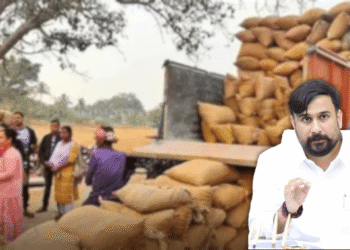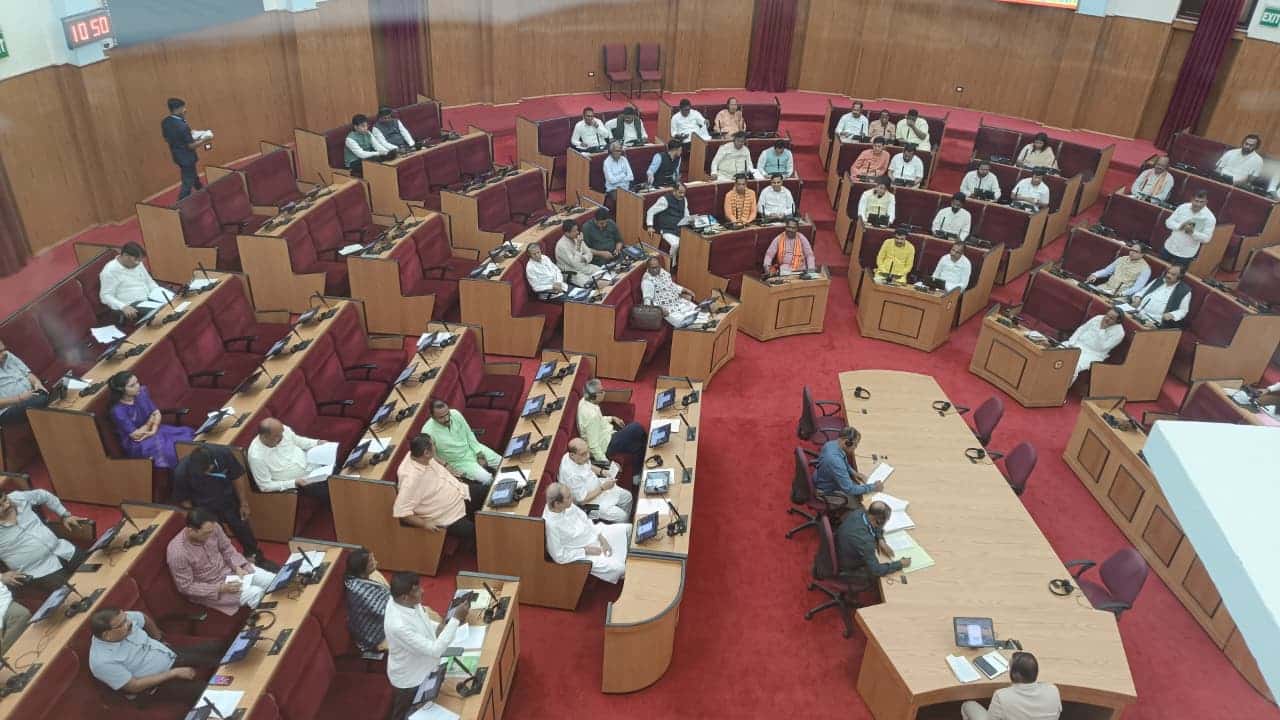
In the Odisha Assembly on November 25, a sharp face-off erupted between the ruling party and the opposition over mounting complaints from farmers about AgriStack registration problems and delays in opening mandis for paddy procurement.
The discussion took place during an adjournment motion, with Opposition Deputy Leader Prasanna Acharya launching a strong attack on the government, while Supplies Minister Krushna Chandra Patra firmly rejected the allegations and defended the administration’s approach.
Responding to the motion, Minister Patra stated that the government is fully alert on paddy procurement and AgriStack-related matters. He argued that the opposition was relying on incomplete information and creating unnecessary confusion among farmers. He clarified that AgriStack registration has not been made mandatory for selling paddy in the current Kharif season, and procurement will follow the same rules as last year. This year, more than 22.27 lakh farmers have registered. Last year, the state procured 97.94 lakh metric tonnes of paddy from farmers and disbursed ₹30,362 crore.
The minister explained that mandis are not opened simultaneously across all districts. Dates are decided by the District Level Paddy Procurement Committee (DLPC) after assessing local conditions. The government has arranged to pay ₹3,100 per quintal to farmers and is committed to ensuring no eligible farmer is left out. He urged that issues be raised with the administration rather than politicised, assuring quick resolution if brought to the government’s notice.
Opposition Deputy Leader Prasanna Acharya countered that the minister appeared disconnected from ground realities and was merely reading prepared notes. He alleged that delays in finalising the food policy had left district administrations unprepared. In previous years, mandis in irrigated areas typically opened in the first or second week of November. This year, in places like Sambalpur, harvested paddy has already reached markets, yet not a single mandi has opened. He pointed to the complex registration process, which he said has prevented many genuine farmers from registering, and questioned how the number of farmers could rise without an increase in cultivable land. Acharya highlighted ongoing protests by farmers in Bargarh and Sambalpur due to these systemic flaws.
He further noted that over 28 lakh metric tonnes of rice remain stuck in the state because the Food Corporation of India (FCI) has not lifted it. Mills have reportedly warned they may stop accepting paddy as a result. Acharya said the state’s 20 MPs should pressure the Centre to ensure the rice is lifted and also sought clarification in the House on reports of Punjab wheat being stored in Odisha godowns. He warned that if the government does not immediately open mandis and speed up procurement, the situation could spiral out of control, and urged against dismissing farmer protests as political.
The debate underscored ongoing tensions over the digitalisation of agriculture through AgriStack and the practical challenges of timely paddy procurement in Odisha’s key farming districts.