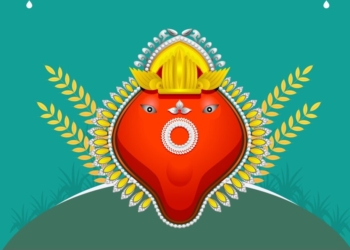
Nuakhai, the biggest agrarian festival of western Odisha, is being celebrated across the region with great fervour and enthusiasm on Tuesday.
The festival holds deep cultural and emotional significance for the people of western Odisha, who mark the occasion by offering the season’s first harvested rice to the presiding deity and seeking the blessings of elders.
Beyond its agricultural roots, Nuakhai celebrates family, community, tradition and social harmony, bringing people together to honour their cultural heritage and strengthen social bonds.
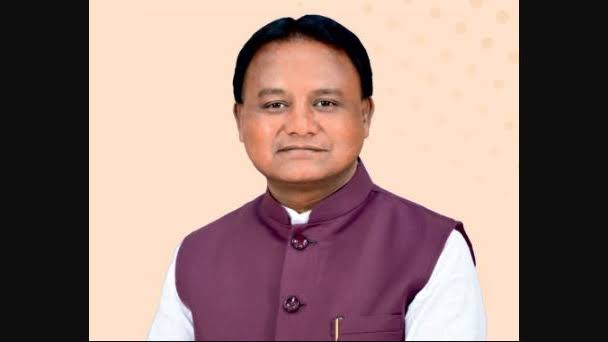
CM Mohan Charan Majhi Extends Nuakhai Greetings
On the auspicious occasion, Chief Minister Mohan Charan Majhi extended warm greetings and congratulations to the people of Odisha.
Beginning his message with “Jai Jagannath, Jai Maa Samalei” and “Sammanku mora Nuakhai Juhar,” the Chief Minister described Nuakhai as the state’s great agrarian festival and said it reflects Odisha’s soil, culture, traditions and social unity.
Majhi said the festival provides an opportunity for people to set aside differences, bitterness and ego while upholding the tradition of seeking the blessings of elders and showering love and affection on younger members of the family.
According to the Chief Minister, these traditions strengthen the bonds of family, society and brotherhood.
CM Calls For Collective Effort Towards Developed Odisha
The Chief Minister also appealed to students, youths, workers, farmers and jawans to fulfil their respective responsibilities towards building a prosperous Odisha by 2036 and a developed India by 2047.
He expressed hope that Nuakhai would bring new hope into everyone’s lives and prayed to Maa Samalei to bless the people with happiness, peace, prosperity, progress and success.
Concluding his message, Majhi once again extended his Nuakhai greetings to the people of Odisha, saying, “Sammanku pher thare, mora Nuakhai Juhar. Jai Maa Samalei.”
Nuakhai: A Festival Of Harvest And Harmony
Nuakhai is deeply rooted in the agrarian traditions of western Odisha. The festival marks the offering and consumption of the season’s first rice and is also an occasion for families to reunite, seek elders’ blessings and celebrate together.
For generations, the festival has remained a powerful expression of gratitude for the harvest while reinforcing the values of family, community and social harmony.