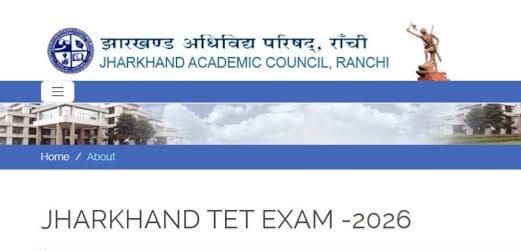
The Government of Odisha has formally intervened after a major linguistic discrepancy was identified in the Jharkhand Teacher Eligibility Test syllabus.
The Odia language syllabus was reportedly published in the Devanagari script instead of the native Odia script, sparking concern among linguistic and academic circles.
Official Communication Demands Immediate Correction
In a strongly worded letter to the Jharkhand Academic Council, Odisha’s Language, Literature and Culture Department called the move “highly regretful” and demanded immediate republication of the syllabus in the correct script.
Senior official Rashmita Panda emphasised that such an oversight undermines the linguistic identity of Odia, a language recognised for its historical and cultural significance.
Why the Issue Matters: Constitutional and Cultural Significance
The Odisha government highlighted several critical points:
- Constitutional Status: Odia language is one of the 22 Scheduled Languages under the Eighth Schedule of the Constitution of India.
- Classical Language Recognition: It holds the prestigious status of a Classical Language, placing it among a select group in India.
- Unique Script Identity: Odia has its own distinct script, essential for accurate learning, evaluation, and preservation of linguistic heritage.
Officials also pointed out that other languages, such as Bengali, were correctly presented in their native scripts, raising concerns about equitable treatment.
Community Concerns Trigger Government Action
The issue gained momentum after members of the Odia-speaking community in Jharkhand raised formal complaints. A representation led by Nandu Kumar Pandey from Saraikela-Kharsawan district urged intervention from Mohan Charan Majhi.
The community stressed that using an incorrect script could disadvantage candidates appearing for the examination.
Beyond Script: Additional Demands by Stakeholders
Apart from correcting the script, stakeholders have also requested:
- Inclusion of relevant Odia prose and poetry in the syllabus
- Availability of model question papers in the Odia script
- Ensuring fair and inclusive evaluation for Odia-speaking candidates
These demands aim to safeguard linguistic rights and ensure equal opportunities in competitive examinations.
Growing Focus on Linguistic Inclusivity in Education
This controversy highlights the broader need for accuracy and inclusivity in multilingual education systems. Experts believe that respecting linguistic diversity is essential for maintaining fairness, especially in national and state-level examinations.