India’s defence manufacturing story reaches a new high as Defence Minister Rajnath Singh prepares to mark the delivery of the 2,000th aero-engine from HAL’s Koraput Division tomorrow, underscoring nearly six decades of indigenous propulsion capability.
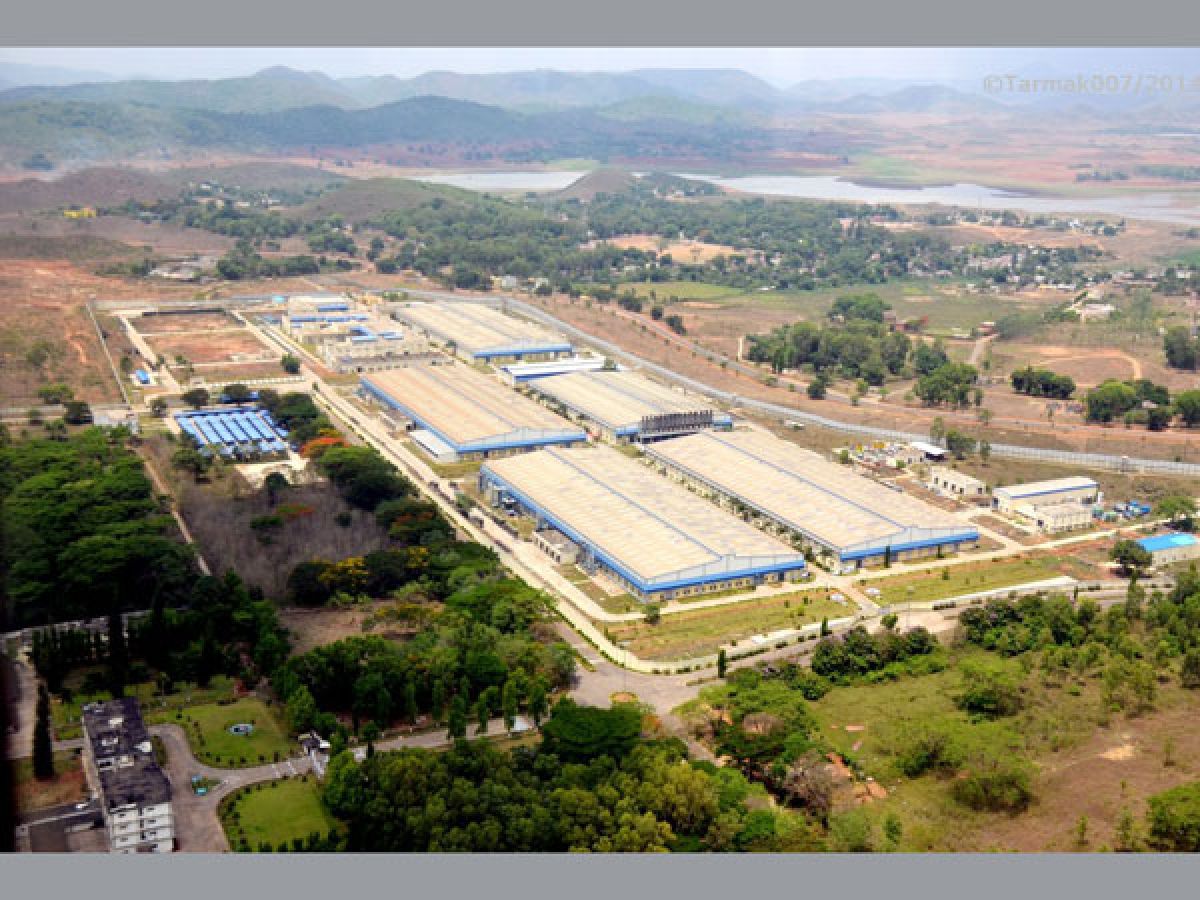
The milestone event, scheduled for 6 October 2026 at Hindustan Aeronautics Limited’s Koraput facility in Odisha, will celebrate the division’s long contribution to the operational readiness of the Indian Armed Forces. Raksha Mantri Rajnath Singh will inaugurate the occasion, which also coincides with the formal establishment of a second production line for Shakti engines.
The new line, set up with an investment of ₹218 crore, is designed to meet rising demand from indigenous helicopter programmes. It will support platforms including the Dhruv Advanced Light Helicopter and the Prachand Light Combat Helicopter, both of which rely on the Shakti engine for power and performance.
HAL Koraput has been central to India’s aero-engine ecosystem for close to 60 years, producing and overhauling engines that keep frontline aircraft and helicopters flying. Crossing the 2,000-engine delivery mark is more than a production statistic; it reflects sustained manufacturing maturity in one of the most complex areas of defence technology.
The event also reinforces the government’s stated aim of shifting India from a buyer of defence equipment to a designer, developer and manufacturer of critical systems. Aero-engines remain among the most strategically sensitive and technologically demanding components, making domestic capacity a priority for long-term self-reliance.
Odisha Chief Minister Mohan Charan Majhi, Secretary (Defence Production) Sanjeev Kumar, and HAL Chairman and Managing Director Ravi K are among those expected to attend, along with other senior officials and industry representatives.
For Koraput, the day marks both a historical achievement and a capacity expansion. The additional Shakti production line is positioned to strengthen supply for current and future rotary-wing programmes, reducing dependence on external sources for a key propulsion system. As the 2,000th engine is formally delivered, the focus turns to how expanded indigenous lines can support the next phase of India’s aerospace growth.