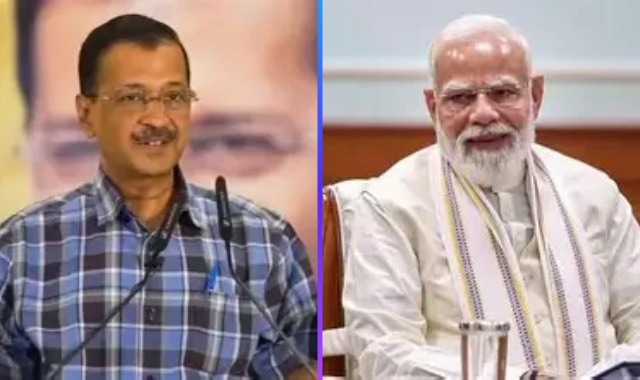
The Gujarat High Court has dismissed an appeal filed by Aam Aadmi Party (AAP) leader Arvind Kejriwal, asserting that Prime Minister Narendra Modi’s educational qualifications constitute personal information protected under the Right to Information (RTI) Act.
A division bench comprising Chief Justice Sunita Agarwal and Justice D N Ray delivered the verdict, ruling that public officials—including the Prime Minister—cannot be compelled to disclose private details merely because they hold public office, unless mandated by statutory obligations.
The Core Legal Stance: Privacy Overrides Political Curiosity
The court underscored that the educational degree of the Prime Minister does not automatically fall within the scope of “larger public interest” simply due to his high office. Evaluating sections 8(1)(e) and 8(1)(j) of the RTI Act, 2005, the bench noted that fiduciary relationships and personal privacy rights lawfully shield such academic records from public scrutiny.
Furthermore, the judges addressed arguments surrounding pre-existing public information, clarifying that the fact that certain details may circulate informally holds “no relevance” when weighing strict statutory exemptions under the RTI framework.
Strong Warnings Against Political Litigation
The High Court did not mince words regarding the intent behind the legal challenge. Emphasising that statutory authorities and judicial systems must not serve as platforms to vent political vengeance, the bench held that political figures cannot weaponise legal proceedings for political narratives or motives.
Consequently, the court upheld the single-judge bench’s earlier decision, keeping the Rs 25,000 cost imposed on Kejriwal entirely intact. The ruling effectively closes another chapter in the long-standing political and legal tug-of-war over transparency, setting a firm boundary between public accountability and individual privacy rights.