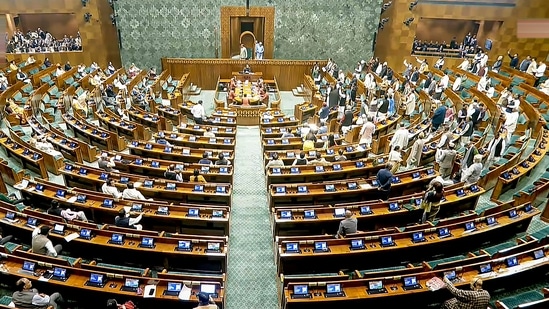
The central government has proposed increasing the strength of the Lok Sabha from 543 to 850 seats, circulating a draft bill to Members of Parliament for discussion.
The Constitution (One Hundred and Thirty First Amendment) Bill, 2026, outlines the expansion, which is expected to take effect from the 2029 general elections.
According to the proposal, 815 seats will be allocated to states, while 35 seats will be reserved for Union Territories. The government has tied the expansion to the rollout of women’s reservation, ensuring that while 33 per cent of seats are reserved for women, the current number of seats available for men remains nearly unchanged.
The Budget Session of Parliament has been extended to include a special three-day sitting, during which the proposed constitutional amendments will be debated and likely passed. Officials described the move as a significant step toward reshaping parliamentary representation in India.
The expansion represents a uniform 50 per cent increase across the board, designed to balance representation while accommodating women’s reservations. Once implemented, the Lok Sabha will have 850 members, marking the largest increase in its history.
Observers noted that the proposal reflects the government’s effort to strengthen democratic representation and ensure inclusivity. The draft bill has already sparked discussions among MPs, with attention focused on how the changes will impact state-level representation and political dynamics.