Just days after Cyclone Arnab unleashed record-breaking rainfall and widespread flooding across southern Odisha, Ganjam district is once again mobilizing for a potential new weather system.
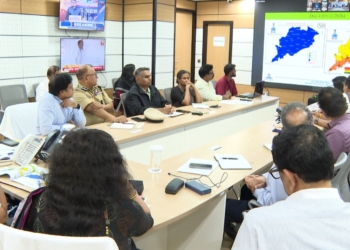
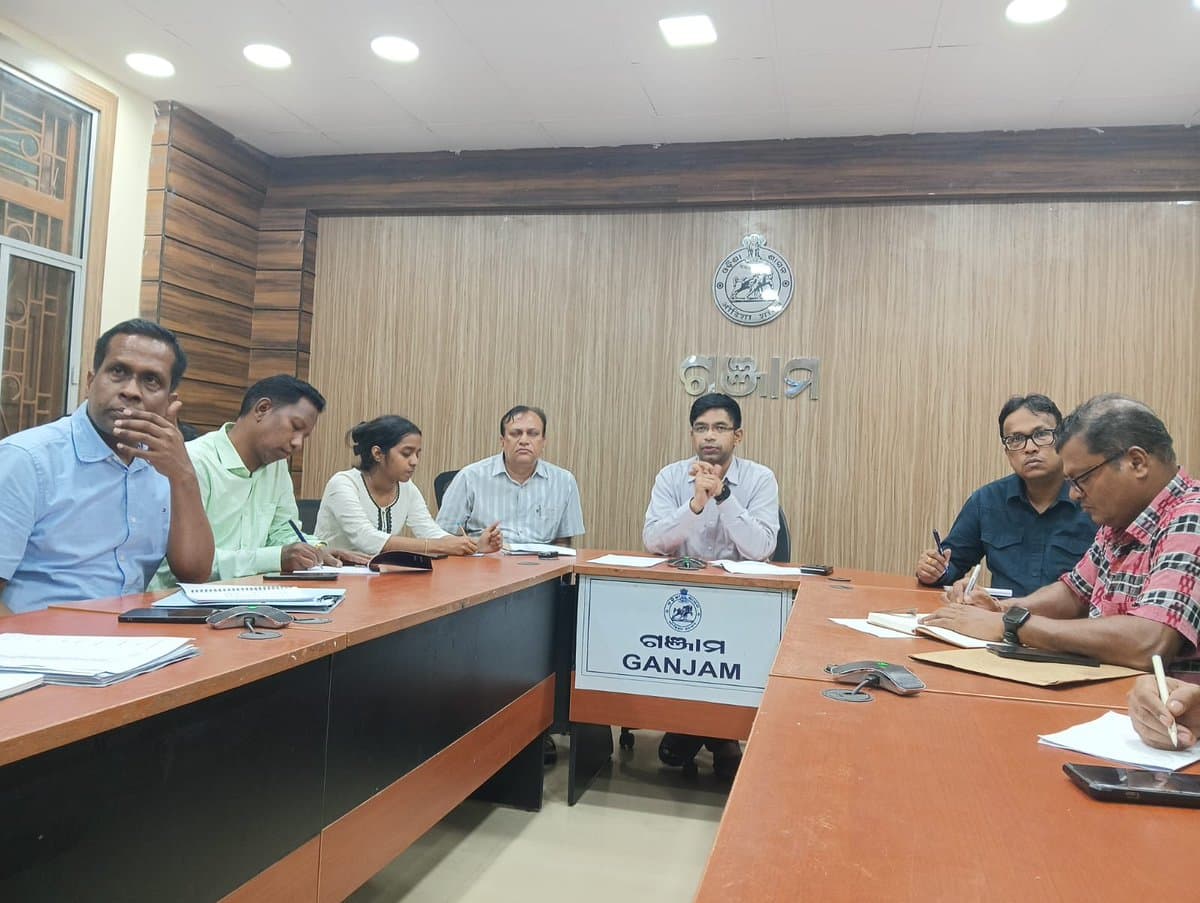
On October 31, the district administration issued a detailed cyclone update, outlining proactive measures ahead of possible heavy rain and cyclonic conditions expected on November 2 and 3.
The India Meteorological Department has tracked a depression over the southeast Bay of Bengal that is intensifying into a cyclonic storm. Forecasts indicate it will move toward the Andhra Pradesh coast by the evening of November 2, with possible landfall as a severe cyclonic storm (winds 100–110 kmph gusting to 120 kmph) between Nellore and Narsapur early on November 3. While weaker than Arnab, the system is expected to bring heavy to very heavy rainfall to coastal Odisha, particularly Ganjam and Gajapati, along with squally winds of 50–70 kmph and rough seas.
In response, Ganjam Collector and officials have directed block development officers and tehsildars to complete the evacuation of people from flood-prone and vulnerable low-lying areas by the night of October 31. No one is to remain in high-risk zones. Adequate stocks of food, drinking water, cooked meals, generators, and other essentials must be prepositioned in every gram panchayat and village likely to face waterlogging. Public awareness campaigns via village mikes are underway, and pregnant women, the elderly, and other vulnerable residents are to be moved to safe shelters immediately.

Medical teams and health workers are being deployed to address risks of contaminated water, snakebites, and other health issues. Fishermen have been strictly advised against venturing into the sea from November 2 to 4. NDRF and ODRAF teams are being pre-positioned in sensitive areas, while the animal resources department has been instructed to stock sufficient feed for livestock. Officials have been told to treat affected residents with dignity and sensitivity—like guests—during relief distribution, with zero tolerance for negligence.
These steps come as Ganjam continues recovering from Arnab, which caused extreme rainfall (up to 546 mm in Patrapur), marooned hundreds of villages, forced the evacuation of tens of thousands, and triggered landslides. Rivers remain elevated in places, and many residents are still in relief camps. The fresh threat underscores the need for rapid, coordinated action to prevent a second wave of hardship.