A Delhi court on Friday discharged all 23 accused in the Central Bureau of Investigation’s (CBI) excise policy-linked corruption case, including former chief minister Arvind Kejriwal and former deputy chief minister Manish Sisodia.
The order was passed by Special Judge Jitendra Singh, who stated that the court found no material to support the prosecution’s case. The court also refused to take cognisance of the chargesheet filed by the Central Bureau of Investigation in connection with the now-scrapped Delhi excise policy.
Court Finds No Substantive Evidence
In its ruling, the court observed that there was insufficient evidence to proceed against the accused. The case, commonly referred to as the Delhi liquor policy case, had alleged irregularities in the formulation and implementation of the Aam Aadmi Party (AAP) government’s excise policy.
The CBI had claimed that ₹100 crore was paid by a “south lobby” to influence the policy in its favour. Multiple supplementary chargesheets were filed after the first one in 2022.
Emotional Reaction from Kejriwal
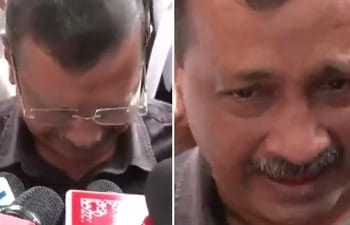
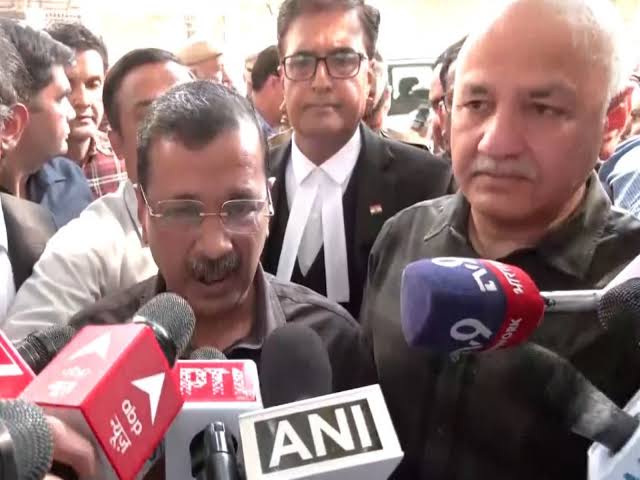
Following the verdict, Kejriwal addressed the media and became emotional while speaking. He described the case as the “biggest political conspiracy in the history of Independent India” and said the order reaffirmed his and his party’s integrity.
Kejriwal, who serves as national convener of the Aam Aadmi Party, had earlier been acquitted in two cases filed by the Enforcement Directorate related to alleged non-compliance with summons in the same excise policy investigation.
Background of the Case
The excise policy case led to the arrest of several high-profile political leaders and businesspersons. Kejriwal and Sisodia were taken into custody while serving as chief minister and deputy chief minister, respectively.
Among the 23 individuals named in the CBI chargesheets were political leaders and alleged intermediaries. With Friday’s order, all accused stand discharged in the CBI case.
Legal experts note that discharge at this stage means the court has determined there is not enough evidence to frame charges and proceed to trial.
Further developments are awaited on whether investigative agencies will challenge the order in a higher court.