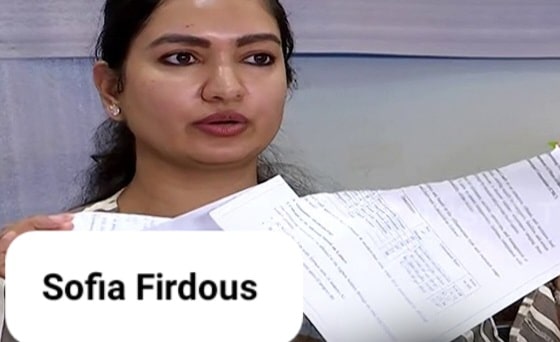
Sofia Firdous, MLA from Cuttack-Barabati, expressed strong dissatisfaction over the food court allotment issue involving the Cuttack Municipal Corporation (CMC).
During a press conference, she staged a dramatic protest by tearing apart the Standard Operating Procedure (SOP) issued by the civic body in front of the media. The act highlighted her serious concerns regarding the transparency and fairness of the allotment process.
Concerns Over Transparency and Fairness
Firdous criticised the guidelines set by the CMC, alleging that the process lacked clarity and fairness. She raised concerns that the SOP did not adequately address the interests of all stakeholders involved.
Her protest reflects growing dissatisfaction among public representatives and citizens regarding how civic projects and commercial spaces are being allocated.
Political Reactions and Public Attention
The incident quickly gained attention across political circles and social media, sparking debate on governance and accountability in Cuttack.
Observers note that such public demonstrations indicate rising tensions over local administrative decisions and highlight the need for transparent systems that ensure equal opportunities for all.
The Cuttack Municipal Corporation (CMC) is officially inviting applications for the second phase of shop allotments at the Barabati Food Court, located near the Barabati Stadium. This initiative aims to provide a structured platform for quality food outlets in a prime commercial zone.
Shop Categories & Rental Details
The 38 available shops are divided into two specific categories:
Category A: Premium Large Shops (2 Units)
• Size: 516 square feet each.
• Features: Includes FAB facilities and a terrace.
• Monthly Rent: ₹26,400 per unit.
Category B: Standard Shops (36 Units)
• Structure: Built-up concrete shop units.
• Monthly Rent: ₹6,600 per unit.