

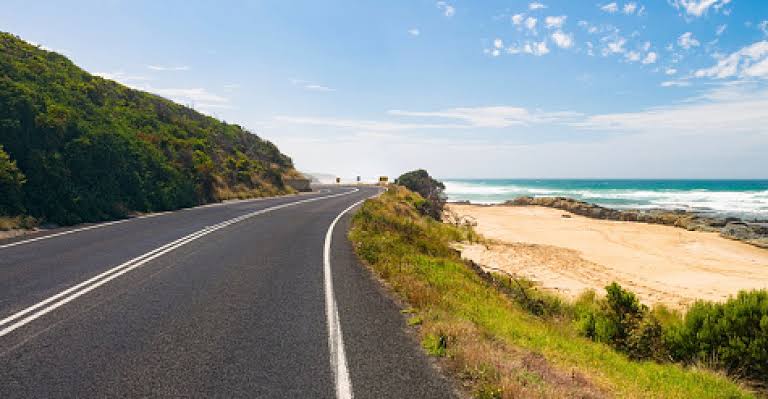
The long-awaited Coastal Highway Project in Odisha is set to begin soon, following approval from the Appraisal Committee of the Union Finance Ministry. Works Minister Prithviraj Harichandan announced that construction activities are expected to commence shortly, marking a major step toward strengthening connectivity along the state’s coastline.
Under the approved plan, a four-lane highway from Rameshwar to Konark and a Double Paved Shoulder (DPLS) road from Konark to Paradip will be developed. The budget allocation for the first package stands at ₹8,300 crore. Once the CCEA approval is received, the National Highways Authority of India (NHAI) will issue tenders and initiate the execution process. The Minister confirmed that 60–70% of the required land acquisition has already been completed.
Highlighting the significance of the project, Harichandan noted that the Coastal Highway will enhance road infrastructure, boost tourism, and accelerate economic activities across Odisha’s coastal districts. The proposed Gopalpur–Satapada–Digha Coastal Highway, stretching approximately 415 km, will be developed as a 4/6-lane greenfield corridor.
The route will begin at Gopalpur and pass through Chandbali, Paradip, Astaranga, Konark, Puri, and Satapada, before connecting to Digha in West Bengal. The highway is expected to significantly improve transport efficiency, reduce travel time between Gopalpur and Digha, and create new opportunities in tourism, fisheries, and industry.
The Minister also stated that the project’s Detailed Project Report (DPR) is nearing completion. Discussions with the Central Government are ongoing, and the initiative has been given top priority under the guidance of Chief Minister Mohan Charan Majhi. Processes such as land acquisition and environmental clearances are progressing rapidly.
Responding to queries about earlier delays, Harichandan criticised the previous state government, alleging administrative negligence and repeated changes in alignment, which stalled the project. He claimed that these issues hindered progress and delayed the benefits the highway would bring to the state.