Following relentless downpours triggered by Cyclone Arnab, the Odisha government has set into motion an emergency airlift rescue operation to safely extract 120 people left severely waterlogged in Ganjam district.
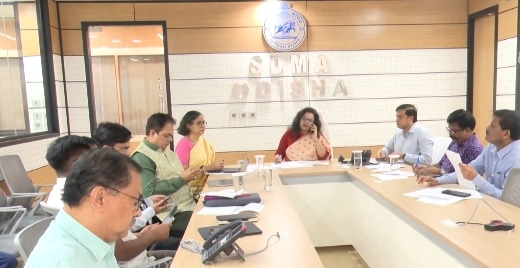
The decision was announced by Odisha Chief Secretary Anu Garg during a high-level review meeting held at Rajiv Bhawan to assess post-cyclonic ground realities across affected districts.
The emergency review session was attended by Special Relief Commissioner (SRC) Rajesh Prabhakar Patil alongside senior administrators to evaluate ongoing rescue, evacuation, and infrastructure restoration efforts.
Targeted Airlift at Four Critical Locations
With torrents of rainfall causing rapid inundation in lower-lying pockets, Ganjam and neighbouring Gajapati districts have emerged as the primary focus zones for the state administration. Among the worst-hit areas, Ganjam recorded exceptionally heavy precipitation, leaving several pockets isolated and cut off from conventional ground transport.
Key Takeaway from the Review Meeting:
Trapped Individuals: 120 affected citizens to be evacuated.
Focus Zones: 4 designated, high-risk flooded clusters in Ganjam.
Agency Coordination: State government in direct touch with the Union Ministry of Home Affairs (MHA).
Primary Asset: Indian Coast Guard helicopters mobilized for airlift and air-dropping of essential relief.
“We have discussed the situation with the Ministry of Home Affairs to ensure swift deployment,” stated Chief Secretary Anu Garg. “Coast Guard helicopters are being utilised to transfer the marooned citizens from four critical locations to safe relief shelters.”
Submerged Railway Tracks Disrupt Travel
Beyond localised flooding, extreme weather conditions have disrupted transportation networks connecting Odisha and northern Andhra Pradesh. Floodwaters have topped a key railway bridge near Srikakulam, forcing railway authorities to halt multiple train services as a precautionary measure.
The Odisha state administration is maintaining continuous communication with Railway officials to monitor track clearance and ensure emergency support for stranded passengers. Special transport and relief arrangements are being coordinated to assist travellers impacted by the railway delays.
State authorities remain on high alert, emphasising rapid restoration of connectivity, power supply, and drinking water in affected southern districts as weather conditions gradually normalise.