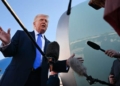


Donald Trump has issued a fresh warning to Iran as diplomatic efforts continue to end the ongoing conflict in West Asia, urging Tehran to act quickly on a potential agreement.
In a recent statement on social media, Trump claimed that Iranian negotiators were “begging” for a deal, despite publicly stating that they were still reviewing the proposal put forward by the United States.
He warned that time was running out for a resolution, adding that failure to reach an agreement soon could lead to serious consequences.
Conflicting Signals Over Peace Talks
The remarks come amid mixed signals from Washington and Tehran regarding negotiations to end the conflict. While Donald Trump has suggested that a deal may be close, Iran has reportedly rejected parts of a proposed 15-point ceasefire plan.
According to officials familiar with the discussions, the US proposal includes sanctions relief, restrictions on Iran’s nuclear programme, limits on missile capabilities, and reopening of the Strait of Hormuz—a key global oil transit route.
Iran’s Counter-Proposal
Iran has outlined its own conditions, including an end to targeted strikes on its officials, assurances against future military action, compensation for war-related damages, and recognition of its sovereignty over the Strait of Hormuz.
The differing demands highlight the complexity of negotiations, as both sides maintain firm positions on critical issues.
Rising Human and Economic Costs
The ongoing conflict has had severe humanitarian and economic consequences across the region. Reports indicate that more than 1,500 people have been killed in Iran and nearly 1,100 in Lebanon, while casualties have also been recorded in Israel and other areas.
In addition, 13 US military personnel have reportedly been killed, and millions of people across affected regions have been displaced due to continued airstrikes and missile attacks.
Uncertain Path Ahead
Despite ongoing diplomatic efforts, tensions remain high, with no immediate breakthrough in sight. Analysts suggest that the coming days will be crucial in determining whether negotiations can lead to de-escalation or if the conflict will intensify further.