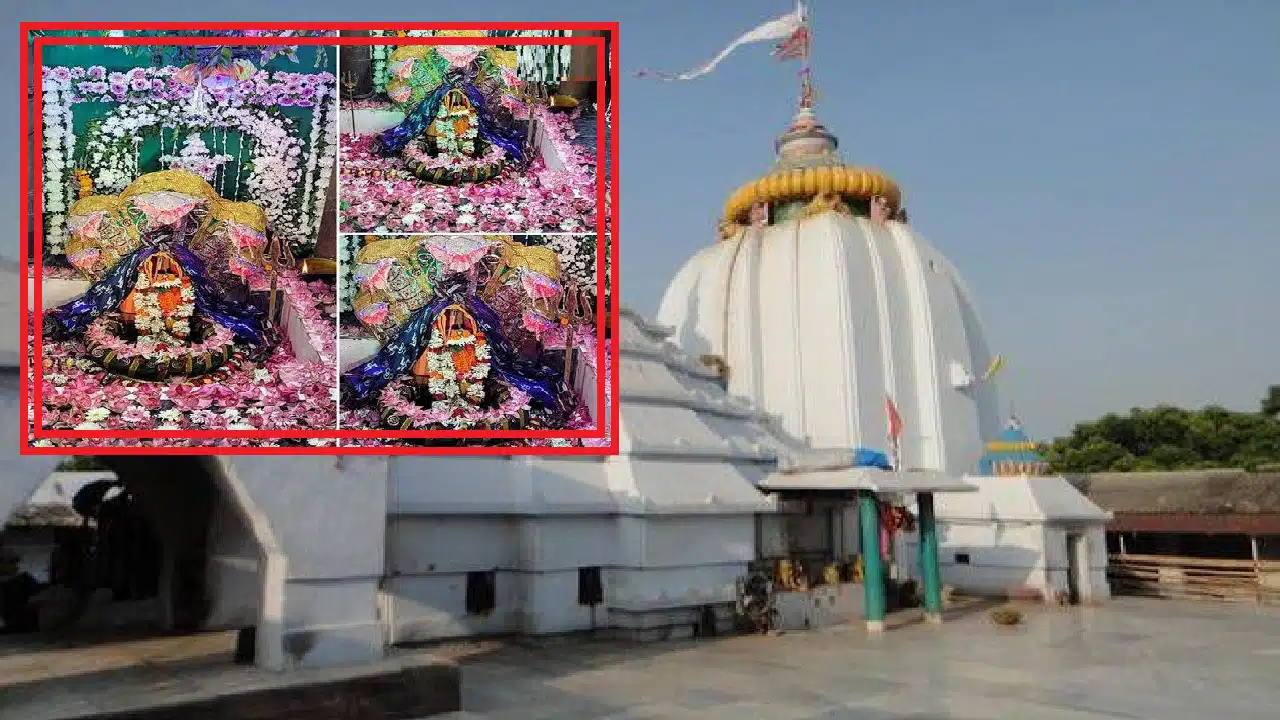
Bada Osha, one of Odisha’s most revered traditional Shaivite festivals dedicated to Lord Mahadev, is observed with deep devotion on the Chaturdashi Tithi (the 14th day of the bright fortnight, Shukla Paksha) during the auspicious Hindu month of Kartik.
Centred around the historic Dhabaleswar Temple situated on an island in the Mahanadi River in Katak’s Athagarh area, the festival draws thousands of devotees who observe a strict day-long fast to pray for relief from suffering, good health, and the well-being of their families.
Sacred Rituals, Badasinghara Besha & Traditional Bhoga
- Dawn Rituals & Royal Attire: Celebrations at the Dhabaleswar shrine begin at dawn when Lord Dhabaleshwar is bathed with 108 pots of sacred water, followed by traditional temple rituals including Mangala Alati and Mailama, before the deity is adorned in the grand Badasinghara Besha.
- Special Offerings (Gaja Pitha & Manda Bhoga): Devotees offer traditional delicacies—most notably Gaja Pitha, Tarana, and Manda Bhoga—to Lord Shiva, later partaking in the consecrated prasad after breaking their fast.
Mythological Legends Associated With Bada Osha
- Lord Indra’s Liberation From Brahma’s Curse: According to Hindu mythology, Lord Indra observed the sacred Bada Osha fast, worshipped Lord Dhabaleshwar, and took a ceremonial holy dip on Kartika Purnima, freeing himself from Lord Brahma’s curse.
- The Story of King Kratu & Queen Harapriya: Another celebrated legend recounts how King Kratu of Odisha (ancient Utkal) married Princess Harapriya of Nagpur after meeting her at a dilapidated forest Shiva temple, only to neglect his royal duties, lose his kingdom to enemies, and go into exile. After the king forcibly snatched Ketaki flowers meant for Shiva worship from a forest monk—incurring a curse of leprosy—a devoted Queen Harapriya observed the Bada Osha fast for Lord Dhabaleshwar on a sage’s advice, curing the king and blessing the royal couple with a son.