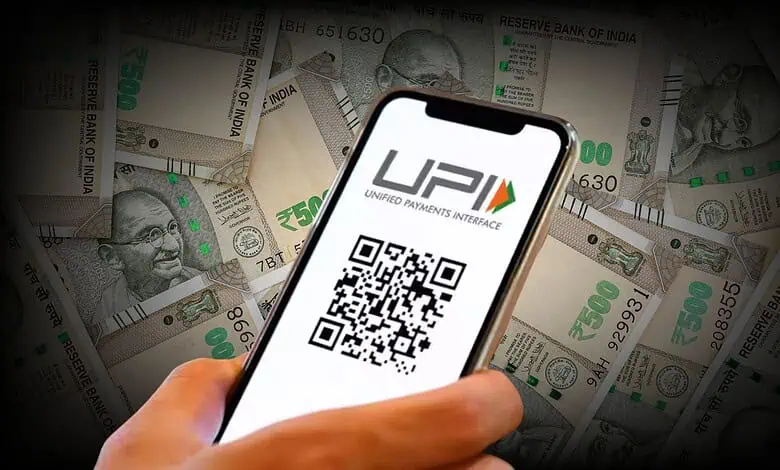
The Centre on Wednesday rejected claims that the introduction of a Merchant Discount Rate (MDR) on UPI payments was driven by foreign influence, pushing back against opposition allegations that the move aimed to appease US policies.
Clearing the air, the Finance Ministry stated that India’s policy decisions are made independently to build a self-sustaining and inclusive digital payments ecosystem.
🔰 UPI Remains Free for Consumers
UPI continues to be free for customers. Sending money to friends, paying at shops, or scanning a QR code — all remain without charges.
Key Facts:
✅ No charges on P2P: Person-to-Person transfers are always free, regardless of amount.
✅ Small… pic.twitter.com/PyQ7hotNMN— Ministry of Finance (@FinMinIndia) September 16, 2026
The controversy arose after the Congress leader alleged the framework was introduced to address US grievances that India’s zero-MDR policy hurt credit card giants like Visa and Mastercard.
Rajya Sabha MP Jairam Ramesh termed the move “Narendra’s Ongoing Trump Appeasement,” citing the US Trade Representative’s annual report regarding barriers to foreign trade.
Refuting these claims, the Finance Ministry emphasised that starting October 15, UPI transactions exceeding Rs 2,000 will attract a 0.4 per cent MDR fee—capped at Rs 300 per transaction—which will be paid exclusively by merchants receiving over Rs 1 lakh per month.
Consumers will face no direct charges, and person-to-person transfers will remain entirely free. Banks have also been directed to ensure merchants do not pass on the cost to buyers.
The ministry clarified that the MDR is neither a government tax nor a collection by the NPCI, but rather a mechanism to distribute funds among ecosystem participants, including banks and app providers, to support network expansion.
Highlighting that over 95 per cent of merchant UPI transactions fall below the Rs 2,000 threshold, the government maintained that the vast majority of retail volume remains completely unaffected.