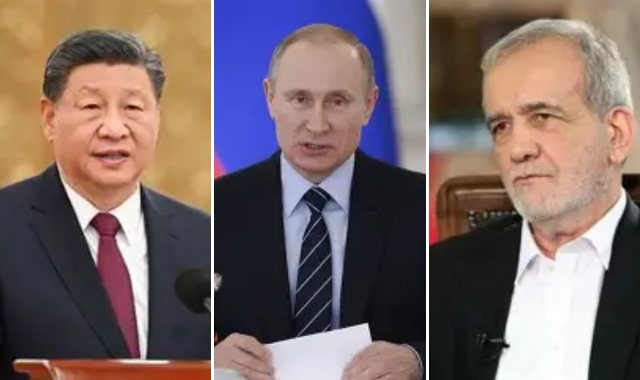
India is set to host the BRICS Summit 2026 on September 12‑13, with high‑profile leaders including Chinese President Xi Jinping, Russian President Vladimir Putin, and Iranian President Masoud Pezeshkian expected to attend.
Their presence will open the door for separate bilateral meetings with Prime Minister Narendra Modi, adding weight to the summit’s diplomatic agenda.
The gathering comes against the backdrop of escalating Iran‑UAE tensions over the ongoing West Asia conflict, which is likely to shape discussions on Palestine and the two‑state solution. India, hosting the summit under the theme “Building for resilience, innovation, cooperation and sustainability”, is expected to play a mediating role in narrowing differences between Iran and the UAE.
Xi’s visit would mark his first trip to India since 2019, when he met Modi in Mamallapuram. Relations soured soon after due to Chinese incursions along the Ladakh sector of the Line of Actual Control, though subsequent engagements—including meetings in Kazan (2024) and Tianjin (2025)—helped ease tensions.
For Iran, Pezeshkian’s participation offers an opportunity to brief Indian leadership on the regional situation and explore ways to strengthen bilateral ties. India‑Iran relations have faced hurdles since US sanctions halted oil imports in 2019, affecting projects like Chabahar Port.
Diplomatic observers note that differences over West Asia have already disrupted several BRICS meetings, with foreign ministers failing to reach consensus in May. The upcoming summit will test India’s ability to balance competing interests while reinforcing its role as a bridge between rival powers.
Beyond BRICS members, India has also invited leaders from non‑member nations, including Bangladesh Prime Minister Tarique Rahman, in his capacity as BIMSTEC chair.
The New Delhi summit is poised to be a defining moment for India’s diplomacy, showcasing its ability to convene global leaders amid one of the most volatile geopolitical landscapes in recent years.