In a decisive move to tighten control over public funds and boost accountability, the Odisha government has restricted all financial transactions, deposits, and banking operations of its departments, universities, state-run enterprises, and agencies to only 14 banks — effectively excluding major private banks from handling government money.
The order, issued by Finance Department Principal Secretary Sanjeeb Kumar Mishra, comes after a detailed performance review of banks based on key parameters including Annual Credit Plan targets, agricultural and MSME lending, SHG linkages, and Credit-Deposit ratio.
The evaluation, covering data up to March 31, 2026, and State Level Bankers’ Committee reports, has resulted in only public sector and cooperative banks making the cut.
The 14 Approved Banks:
- Bank of Baroda
- Bank of India
- Bank of Maharashtra
- Canara Bank
- Central Bank of India
- IDBI Bank
- Indian Bank
- Indian Overseas Bank
- Odisha Gramya Bank
- Odisha State Cooperative Bank
- Punjab National Bank
- State Bank of India
- UCO Bank
- Union Bank of India
All government offices and institutions have been directed to open new current and savings accounts only with these banks. Existing accounts (including single nodal and MoU-based accounts) in banks that were previously empanelled but have now been dropped must be fully closed and shifted to the approved list by December 31, 2026. Non-compliance will invite disciplinary action against responsible officials.
Banks on the panel must submit online reports of all government account balances (account number-wise) to the Finance Department every year by June. The government has warned that any bank providing incorrect data, delaying reports, showing poor customer service, or resorting to unethical practices to attract deposits can be removed from the list at any time.
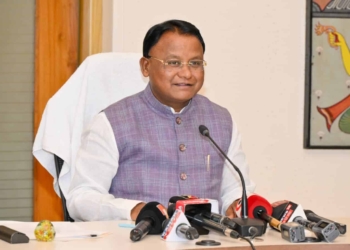
This is not the first crackdown on private banks. In June 2025, several major private banks were removed from the government panel over weak performance in scheme implementation. However, after their top executives met Chief Minister Mohan Charan Majhi and gave written assurances of improvement, they were given another chance. The latest evaluation has once again led to their exclusion.
The decision is expected to streamline government banking, ensure better support for priority sectors like agriculture and MSME, and hold banks strictly accountable for public money.