
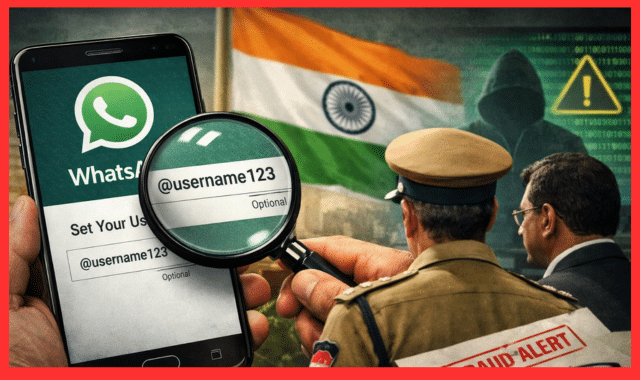
The Indian government is set to examine WhatsApp’s upcoming username feature, citing potential risks of online fraud and impersonation.
According to reports, officials are concerned that while the feature aims to enhance privacy by allowing users to connect without sharing phone numbers, it may inadvertently complicate efforts to identify scammers.
The username option, currently being tested, will allow users to reserve names up to 35 characters. Though optional, it is expected to provide greater flexibility for individuals, businesses, and creators. High-profile names will be safeguarded to prevent impersonation, and businesses can align usernames with their Instagram and Facebook handles for consistency.
However, regulators fear that fraudsters could exploit the anonymity offered by usernames. If irregularities are detected, Meta—the parent company of WhatsApp—may be asked to provide clarifications or implement corrective measures.
WhatsApp has assured that multiple safeguards are in place to prevent misuse. These include optional numeric username keys to reduce impersonation risks and existing defenses against spam and abuse. Importantly, private messages will remain end-to-end encrypted, though the platform continues to collect metadata such as location and profile details.
The rollout will be gradual, requiring users to update their apps to access the feature. While the move is seen as a step toward enhancing user privacy, the government’s review underscores the delicate balance between protecting personal data and ensuring digital security.
As India remains one of WhatsApp’s largest markets, the outcome of this review could shape how the feature is implemented globally.