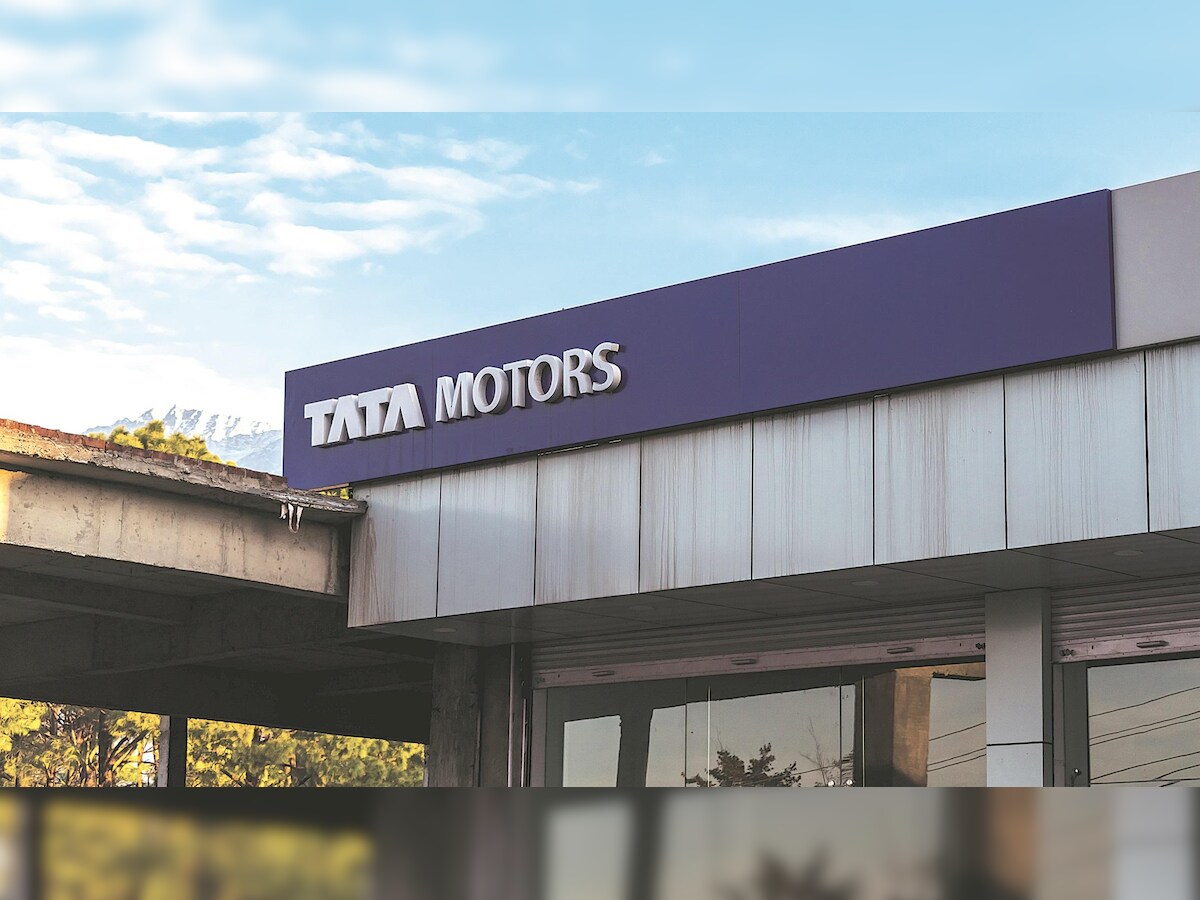
Shares of Tata Motors witnessed a sharp sell-off on Wednesday, tumbling nearly 8% after investors expressed concerns over the future growth outlook of Jaguar Land Rover (JLR), the luxury vehicle maker that contributes a significant portion of the company’s earnings.
The stock emerged as one of the biggest losers on benchmark indices as market participants reacted to JLR’s FY27 guidance presented during its Investor Day event.
Why Did Tata Motors Shares Fall?
The decline came after Jaguar Land Rover unveiled its financial outlook for FY27, which fell short of market expectations on key parameters such as profitability and cash generation.
While JLR outlined long-term growth ambitions and strategic plans, investors appeared disappointed by indications that earnings recovery could take longer than previously anticipated.
The guidance prompted concerns that near-term financial performance may remain under pressure despite the company’s broader transformation efforts.
JLR’s Outlook Raises Margin Concerns
One of the major concerns highlighted by investors was JLR’s cautious approach toward profitability.
The luxury carmaker announced a multi-year cost-saving programme aimed at reducing expenses and lowering its operational breakeven point. Although the initiative is designed to improve efficiency, the market interpreted it as a sign that the company expects continued challenges in the global automotive sector.
Investors also worried that profit margins could remain under pressure due to several external factors impacting the luxury vehicle industry.
Global Challenges Continue to Weigh on JLR
Jaguar Land Rover flagged multiple headwinds that could affect business performance in the coming years.
Among the key challenges are:
- Tariff and trade-related uncertainties
- Weak demand in China’s premium automobile market
- Changing consumer preferences
- Transition toward electric vehicles
- Global economic and geopolitical uncertainties
These factors have created concerns about the pace at which JLR can deliver stronger earnings growth and improve cash flow.
Why JLR Is Crucial for Tata Motors
JLR remains the largest contributor to Tata Motors’ overall revenue and profitability. As a result, any changes in the luxury vehicle division’s outlook directly influence investor sentiment toward the parent company.
Analysts closely monitor JLR’s financial performance because it plays a critical role in determining Tata Motors’ valuation and future growth prospects.
A weaker-than-expected outlook from the British luxury vehicle manufacturer often translates into pressure on Tata Motors shares.
Tata Motors Remains Optimistic
Despite investor concerns, Tata Motors Chairman N. Chandrasekaran has expressed confidence in the company’s future.
In his message to shareholders in the FY26 annual report, Chandrasekaran stated that Tata Motors is entering FY27 with a strong product pipeline and a multi-powertrain strategy designed to meet evolving customer demands.
He emphasized the company’s commitment to safety, sustainability, quality, innovation, and customer satisfaction while navigating an uncertain global environment.
Focus on Growth and Collaboration
The chairman also highlighted continued collaboration between Tata Motors and Jaguar Land Rover in areas such as technology, manufacturing, talent development, and operational efficiencies.
According to Chandrasekaran, the partnership will help both companies improve scale, accelerate innovation, and maintain disciplined capital allocation.
While the market reacted negatively to JLR’s cautious outlook, Tata Motors management remains focused on long-term growth and strengthening its competitive position in the global automotive industry.
What Investors Should Watch Next
Going forward, investors will closely track JLR’s ability to improve margins, generate stronger cash flows, and execute its cost-reduction strategy successfully.
The performance of China’s luxury car market, demand for electric vehicles, and global economic conditions will also play a crucial role in determining the future direction of Tata Motors shares.
For now, the market’s sharp reaction reflects concerns over near-term earnings growth rather than doubts about the company’s long-term strategy.